
Sycopsis chingii
Sycopsis chingii
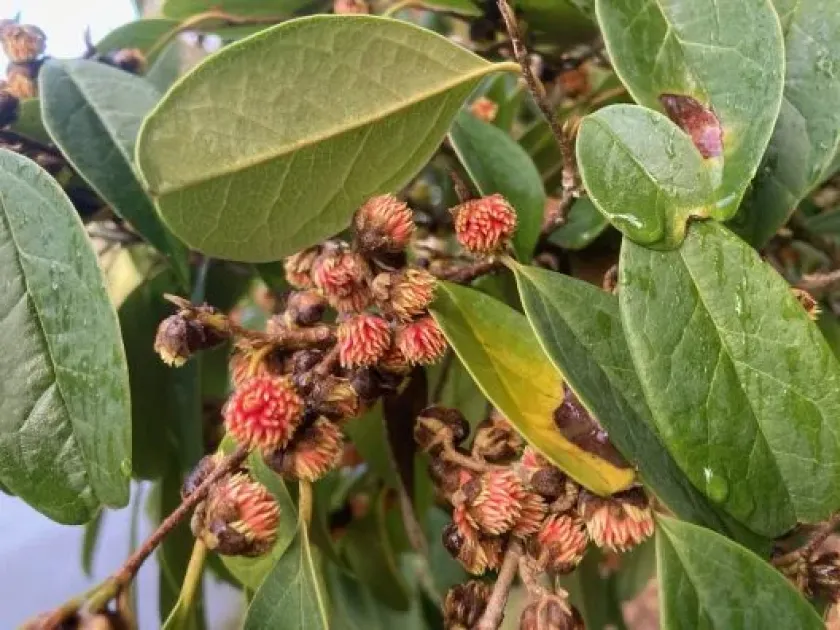
Description
Growing requirements
Sycopsis chingii is a notable evergreen shrub belonging to the Hamamelidaceae family. It is recognized for its dense, glossy foliage and robust growth habit, making it an excellent candidate for ornamental landscaping in appropriate zones.
Native to China, this species thrives in humid, temperate environments. It is adapted to understory conditions in its natural habitat, which dictates its preference for partially shaded locations in garden settings.
The soil requirements for Sycopsis chingii include well-drained, acidic to neutral substrates rich in humus. Waterlogging must be strictly avoided, as the root system is highly sensitive to hypoxia caused by stagnant moisture.
Climate adaptation is a critical factor for cultivation, as the plant is not fully hardy in severe freezing conditions. Providing a sheltered position or using protective covers during winter is recommended in regions with temperatures dropping below -10°C.
General maintenance includes annual pruning to encourage bushier growth and removal of damaged branches. Consistent irrigation during the establishment phase is essential for long-term health and vigor.
Main diseases and pests
Pests and diseases are generally manageable with proper cultural practices. The most common threats involve fungal issues such as leaf spot, which typically appear during periods of high humidity and poor ventilation.
Spider mites are common insect pests that thrive in dry environments. If an infestation occurs, applying horticultural oils or specialized acaricides is an effective way to restore the plant's aesthetic and vitality.
Root rot, often caused by Pythium or Phytophthora species, is the most lethal condition for Sycopsis chingii. Ensuring adequate drainage and avoiding deep planting are the primary prevention methods against these pathogens.
Scale insects can occasionally infest the stems, extracting sap and weakening the plant over time. Regular manual inspection and early intervention with systemic insecticides are necessary to keep these populations under control.
Maintaining balanced soil fertility is crucial for preventing nutrient-related stresses. A deficiency in micronutrients like magnesium or iron can lead to leaf yellowing, which should be corrected with targeted foliar or soil-applied fertilizers.