
Willow oak
Quercus phellos L.
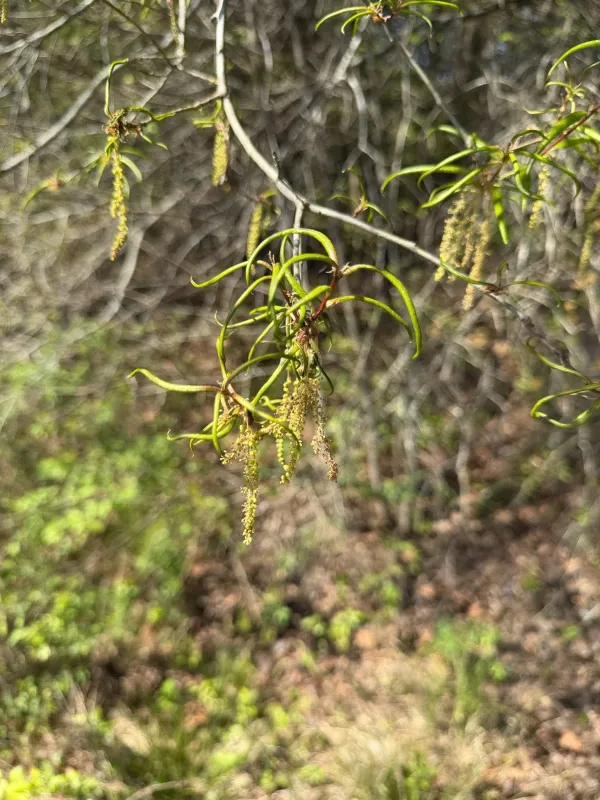
Description
Sowing dates
Sowing Willow oak (Quercus phellos L.) acorns is best performed in the autumn immediately after harvesting. This method mimics natural cycles, allowing the seeds to undergo natural stratification, which maximizes germination rates in the spring.
If sowing is delayed until spring, acorns must be stored in moist sand or peat moss at temperatures between 0 and 5 degrees Celsius for at least two to three months to break seed dormancy.
Planting depth should be approximately 3 to 5 centimeters. Because the species develops a deep taproot early, it is important to provide loose, well-draining soil to encourage healthy root development.
Spacing requirements in a nursery setting involve 15 centimeters between seeds in a row, with rows separated by 60–80 centimeters. This provides sufficient room for the initial growth of seedlings before transplantation.
Adequate irrigation after planting is essential to ensure the acorns remain moist. A layer of organic mulch can help stabilize soil temperature and prevent the soil surface from crusting.
Growing requirements
The Willow oak is native to the southeastern United States, commonly found in floodplains and moist forests. It thrives in deep, fertile, acidic to neutral soils with high moisture-retention capabilities.
The tree exhibits high tolerance for various soil types, including heavy clays, provided the site is not prone to long-term soil compaction. It is notably tolerant of wet soil conditions compared to other oak species.
Climate-wise, this species prefers temperate zones with ample rainfall. While it can withstand periods of summer heat, it does not perform well in extremely arid climates without supplemental irrigation.
Full sun is required for optimal growth and the development of its characteristic willow-like leaf structure. While it can survive in partial shade, growth rates will be significantly lower, and the canopy will be less dense.
The tree is prized for its moderate growth rate and adaptability to urban environments, making it a popular choice for street plantings and large parks where moisture levels can be managed.
Main diseases and pests
Powdery mildew is a common fungal threat that thrives in damp, stagnant air. Proper site selection and spacing to encourage air circulation are the most effective non-chemical preventative measures.
Leaf-eating insects, such as oakworms or leaf miners, can damage foliage, affecting the aesthetic value of the tree. Integrated pest management, including the use of pheromone traps, is recommended for large-scale plantings.
Canker diseases can affect the main trunk, often following physical damage from maintenance equipment. Protecting the tree bark during the establishment years is critical for long-term health.
Root rot, caused by various soil-borne pathogens, can occur in poorly drained sites. Ensuring the root zone has adequate aeration is the most effective way to prevent these silent but deadly infections.
- Regular inspection of the canopy
- Removal of infected debris
- Use of systemic fungicides if necessary