
Swamp white oak
Quercus bicolor Willd.
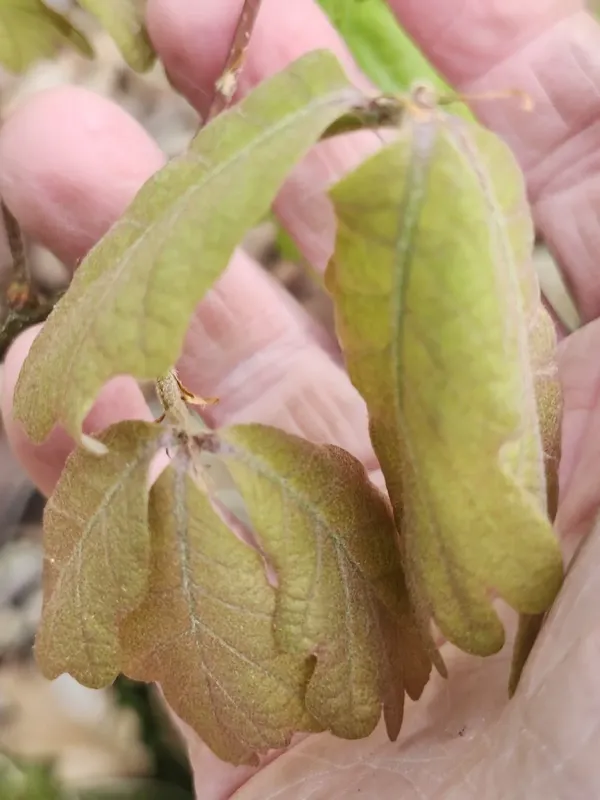
Description
Sowing dates
Swamp white oak seeds, or acorns, should be planted in the autumn immediately after harvesting to facilitate natural stratification. If spring planting is preferred, acorns must be stored in cool, moist conditions to maintain viability before sowing.
The ideal planting depth is between 5 and 8 centimeters, depending on the soil moisture and composition. Proper spacing is crucial to ensure that young seedlings receive adequate light and space for root development during their initial growth years.
In nurseries, acorns are typically sown in rows with sufficient inter-row space to allow for mechanized weed control and maintenance. Before planting, it is recommended to float-test acorns; sound seeds will sink, while damaged or dry ones will float.
Soil preparation should involve deep tilling and the incorporation of organic amendments to ensure a nutrient-rich environment for the developing taproot. Keeping the planting area free of aggressive weeds is essential for the survival of young oak seedlings.
The species grows at a moderate rate, so when transplanting to a permanent location, it is vital to maintain a large, intact root ball. Using container-grown saplings is often more effective than bare-root stock for landscape and forestry installations.
Growing requirements
The Swamp white oak is a member of the Beech family (Fagaceae) and is naturally adapted to moist environments, including floodplains, riverbanks, and swampy areas. This species thrives where other oaks might fail due to excessive soil moisture.
While tolerant of wet conditions, this tree performs best in deep, fertile, humus-rich loams. It prefers slightly acidic to neutral soil conditions, showing excellent vigor when nutrient availability is consistent throughout the growing season.
This species is highly hardy and can tolerate cold temperatures, making it suitable for a wide range of climates. Young trees may benefit from shelter during their first winters to prevent damage from heavy winds and late spring frosts.
Swamp white oaks are shade-tolerant as juveniles but develop into light-demanding trees as they mature. When planting in landscapes, provide ample space for the crown to expand fully without competing with nearby structures.
Cultivation care includes regular watering during periods of drought, especially in the first several years post-planting. Maintaining a layer of organic mulch around the root zone helps regulate soil moisture and protects the tree from sudden temperature shifts.
Yield
The Swamp white oak is valued for its dense, high-quality hardwood, which is structurally similar to that of other white oak species. The wood is resistant to decay, making it suitable for various long-lasting construction applications.
In forestry, the species is recognized for its adaptability and relatively fast growth on moist sites. These plantations provide vital habitat for wildlife and contribute to the ecological health of forested landscapes.
The tree typically begins acorn production around 20–30 years of age. These acorns are a significant food source for many species of birds and mammals, making the tree an essential asset for wildlife-focused land management.
In urban forestry and landscaping, the Swamp white oak is a preferred choice due to its tolerance of urban pollutants and compacted soils. Its broad, attractive canopy provides significant aesthetic value and cooling in park settings.
The commercial utilization of its wood in furniture manufacturing, high-quality flooring, and architectural joinery underscores its economic significance in the timber industry when managed sustainably.
Main diseases and pests
The most common threat to young oak plantings is browsing by rodents and deer, which can damage the bark and terminal buds. Protective fencing or tree tubes are highly recommended for the initial establishment phase.
Various insects, such as leaf-rollers and oak weevils, can affect foliage and acorn crops. Integrated pest management strategies should be employed to monitor populations and intervene only when thresholds are exceeded.
Powdery mildew is a prevalent fungal disease that may manifest as a white coating on the leaves, especially in humid or stagnant air conditions. Improving air circulation and maintaining tree health are effective preventative measures.
Wood decay fungi may enter the tree through mechanical wounds on the trunk. Regular inspection and the prompt removal of dead or diseased branches help ensure the structural integrity and longevity of the tree.
- Apply fungicides as a preventative measure if mildew pressure is high
- Monitor for signs of boring insects that could weaken the trunk
- Prune during the dormant season to minimize sap loss and infection risk
- Maintain soil pH levels through targeted fertilization to strengthen tree immunity