
White oak
Quercus alba L.
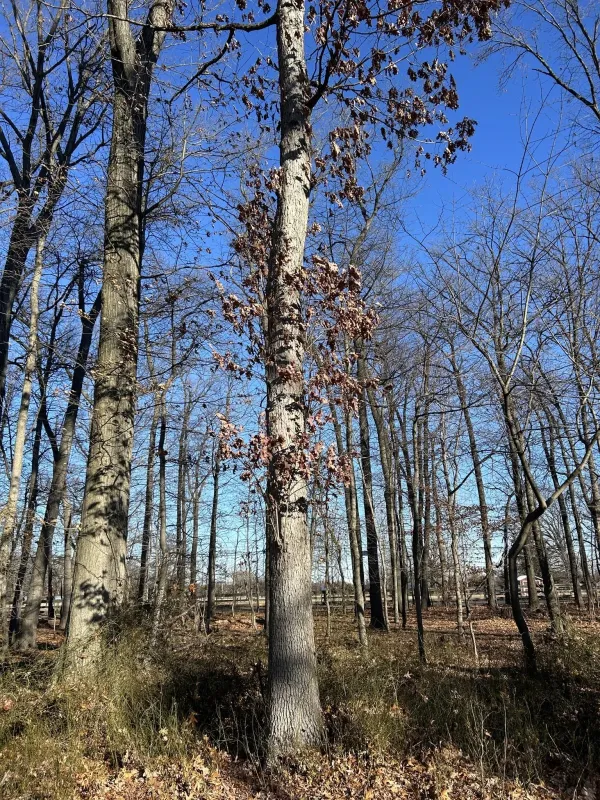
Description
Sowing dates
Sowing of White oak (Quercus alba) acorns is ideally performed in the autumn immediately after harvest to allow for natural stratification in the soil.
If spring planting is planned, acorns must be stored in a cool and moist environment to prevent the embryo from drying out and losing viability.
Seeds should be planted at a depth of 5–7 centimeters to ensure they remain moist and have the necessary conditions for successful germination.
In nursery settings, it is recommended to maintain proper spacing to allow young seedlings to develop robust root systems before being transplanted.
Using high-quality seed material and ensuring proper soil preparation are critical steps for achieving optimal seedling survival and growth rates.
Growing requirements
White oak, a member of the Fagaceae family, is a valuable timber tree species native to eastern North America with a wide range of ecological adaptations.
The species thrives in deep, fertile, and well-drained loamy soils, although it shows tolerance to a variety of soil textures and chemical compositions.
As a tree that requires significant sunlight for its mature development, it should be planted in areas where it can grow without being shaded by others.
Quercus alba exhibits high winter hardiness and can withstand various climate conditions, making it a reliable species for reforestation and landscape design.
Adequate moisture is essential during the early stages of growth, but the species demonstrates a moderate tolerance to drought once the root system is established.
Main diseases and pests
Powdery mildew is a common fungal disease that affects the leaves, especially during periods of high humidity and moderate temperatures.
Oak wilt is a severe vascular disease that poses a significant threat to tree health, potentially leading to rapid decline and mortality in stands.
Insects such as leafrollers and various types of weevils can cause substantial damage to the foliage and the developing acorn crop.
Wood-boring beetles, including metallic wood-boring beetles, can compromise the structural integrity and market value of the timber.
Implementing a comprehensive pest management strategy, including sanitary cuttings, is vital for maintaining the health of oak plantations.
Harvesting
The primary economic focus for white oak is the production of high-quality hardwood, which is prized for its strength, durability, and resistance to rot.
Harvesting for commercial timber usually occurs when trees reach maturity, which typically ranges between 80 and 120 years depending on growth site conditions.
The timber is extensively used in high-end furniture manufacturing, flooring, and the cooperage industry, particularly for aging premium spirits.
Proper seasoning and kiln-drying are necessary to ensure the wood reaches the required stability, preventing warping and cracking in final products.
Acorns are also harvested for ecological restoration purposes or utilized as high-protein forage in wildlife management programs.