
Shumard Oak
Quercus shumardii Buckley
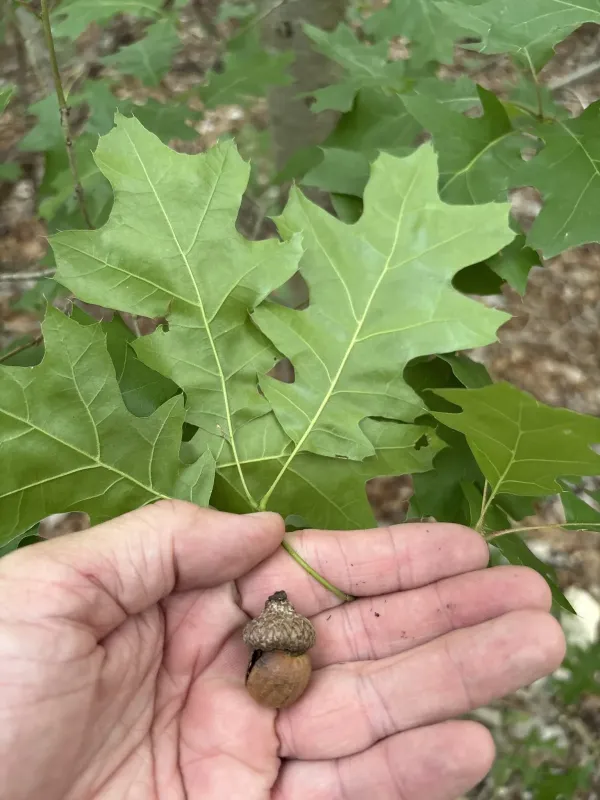
Description
Growing requirements
The Shumard Oak (Quercus shumardii) is a member of the Fagaceae family, known for its stature and rapid growth rate. It is a long-lived deciduous tree that performs best in fertile, well-drained loamy soils.
This species is highly valued for its versatility in both forestry and landscape architecture. It thrives in temperate zones and demonstrates a high tolerance for varying environmental conditions, provided the root system is well-established.
Regarding sunlight, the Shumard Oak requires full sun exposure to maintain its characteristic structure and leaf coloration. It is essential to ensure adequate space for the canopy to spread as the tree reaches maturity.
Botanically, it is distinguished by its deeply lobed leaves which turn vibrant shades of red and bronze during the autumn season. The tree produces acorns that serve as a food source for local wildlife, contributing to ecosystem biodiversity.
In terms of хозяйственное (economic) utilization, the lumber is categorized as high-quality red oak, suitable for furniture and structural construction. It is a reliable choice for long-term timber production.
Main diseases and pests
The Shumard Oak is susceptible to various fungal pathogens, with oak wilt and powdery mildew being the most common threats. These diseases often thrive in poorly ventilated or excessively humid conditions.
Pest pressures include infestation by scale insects, aphids, and various types of leaf miners that can defoliate the tree. These pests are particularly problematic for younger, less resilient specimens.
Environmental stress, such as prolonged drought or soil compaction, significantly increases the tree's vulnerability to secondary invaders. Proper irrigation and mulching are vital for tree health during the summer.
Management of these threats involves a combination of cultural practices, such as clearing debris from under the canopy and monitoring for early signs of disease. Biological control agents are also effective in managed forest stands.
In cases of severe infestation, targeted applications of systemic fungicides or insecticides may be necessary. Preventive care through regular inspections remains the most effective strategy for ensuring the longevity of the stand.