
Scarlet oak
Quercus coccinea Münchh.
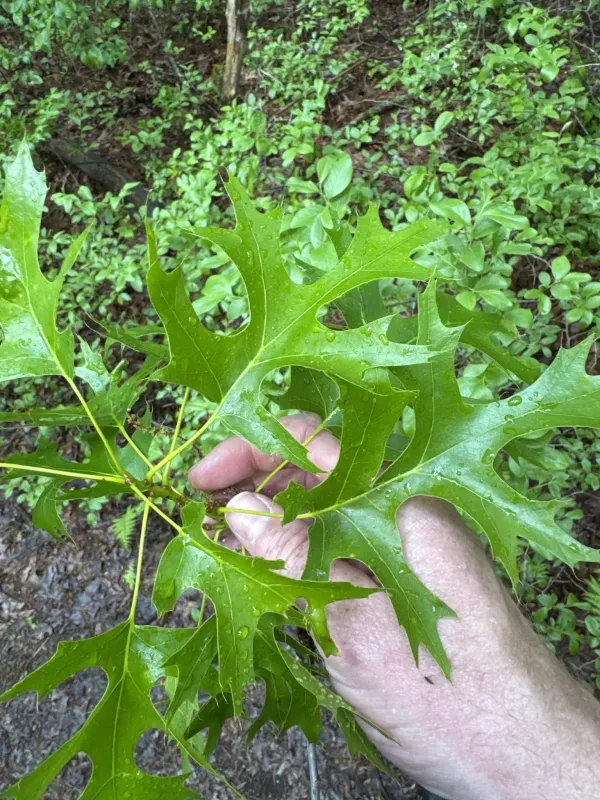
Description
Growing requirements
The Scarlet oak (Quercus coccinea) is a majestic deciduous tree belonging to the Fagaceae family. Native to the eastern United States, it is widely recognized for its high adaptability to well-drained, acidic, and sandy soil conditions.
When cultivating this species, site selection is crucial; it requires full sun exposure to maintain its characteristic structure and vibrant autumn color. Unlike many other oak species, it does not tolerate waterlogged soil, making site drainage a top priority for successful growth.
Botanically, the tree is noted for its glossy, deeply lobed leaves that persist long into the autumn. Its form is typically open and rounded, providing a refined aesthetic profile that makes it a favorite among landscape architects for large parks and estates.
In terms of climate requirements, the Scarlet oak demonstrates significant hardiness, capable of surviving harsh winter conditions once established. Young trees benefit from protective mulching and a consistent, yet not excessive, watering schedule during their initial growth years.
Economically and aesthetically, this tree serves primarily as a decorative asset. It is frequently employed in urban forestry projects and ornamental gardens where its exceptional red fall foliage provides a high-contrast visual display throughout the season.
Main diseases and pests
The most common disease affecting Quercus coccinea is powdery mildew, particularly in environments with poor air circulation. Improving spacing between trees and avoiding overhead irrigation can significantly reduce the incidence of this fungal issue.
Insect pests such as leaf miners and oak gall wasps can occasionally attack the foliage. While usually not fatal to mature trees, significant infestations may require targeted treatments with horticultural oils or approved insecticides to preserve tree health.
Root rot, specifically caused by Phytophthora species, remains a serious threat when the soil is overly saturated. Monitoring soil moisture levels and ensuring that planting sites have excellent permeability is the best defensive strategy against this pathogen.
Bark necrosis can occur due to sunscald or physical damage, which can weaken the tree's defensive systems. Proper protection of the trunk during the early years and careful pruning practices help prevent these vulnerabilities from developing into systemic issues.
Regular maintenance, including the removal of dead or crossing branches, helps to keep the tree vigorous and resistant to stress. A healthy, well-nourished tree is significantly more capable of resisting common pests and environmental stressors over its long lifespan.