
Sawtooth oak
Quercus acutissima Carruth.
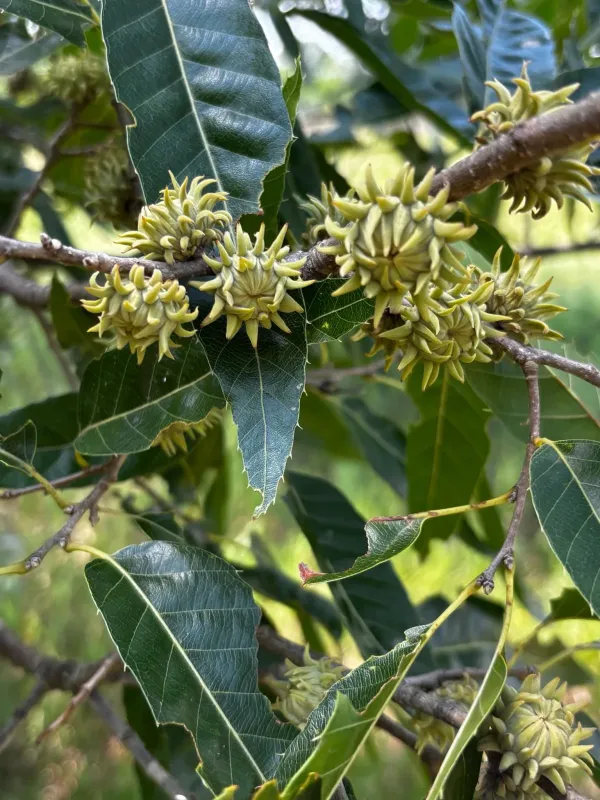
Description
Sowing dates
Sawtooth oak is typically propagated by sowing acorns directly into the soil during the autumn months to take advantage of natural stratification.
When spring sowing is planned, acorns must be stored in a cool, moist environment to maintain viability and satisfy dormancy requirements.
The seeds should be planted at a depth of 5–8 centimeters to protect them from dehydration and premature germination caused by soil surface fluctuations.
Spacing for seedlings should be carefully managed to ensure that young trees have sufficient space to develop strong root systems without excessive competition.
Germination rates are highest when acorns are kept cool and prevented from drying out, as the embryo is sensitive to moisture loss during storage.
Growing requirements
Quercus acutissima, commonly known as the Sawtooth oak, is a member of the Fagaceae family native to eastern Asia, prized for its rapid growth.
The species is highly adaptable, demonstrating success in a variety of soil conditions, including acidic soils and poor, rocky sites where other oaks struggle.
It is a light-demanding species, meaning it requires full sun exposure to maintain an upright, healthy growth habit and robust wood development.
The tree thrives in moderate, warm climates with reliable rainfall during the growing season, though it can withstand periods of temporary drought once established.
Soil management should focus on ensuring adequate drainage, as stagnant water around the root zone can predispose the tree to various fungal infections.
Yield
The timber of the Sawtooth oak is highly valued in various industries due to its hardness, density, and distinctive grain pattern, suitable for quality furniture.
Beyond wood production, the tree is extensively utilized in wildlife management, as its abundant acorn crops provide a critical food source for numerous species.
The tree serves an important role in landscape architecture, utilized as a fast-growing ornamental shade tree that provides seasonal interest through its foliage.
In forest plantations, managed stands of Sawtooth oak can provide a consistent and sustainable harvest, contributing to the local economy and timber supply.
The rapid maturation of this species compared to native white oaks makes it an attractive choice for landowners looking for shorter-term forestry returns.
Main diseases and pests
Young trees are often vulnerable to browsing by deer and rodents, which can cause significant damage to the bark and lead to stunted growth or tree death.
Fungal pathogens such as root rot and leaf blight can impact the health of the trees, especially if the plantation site has poor soil drainage.
Defoliating insects can occasionally cause widespread leaf loss, which reduces the photosynthetic capacity of the trees and weakens the overall stand.
Integrated pest management strategies are recommended, including the use of protective netting for seedlings and routine monitoring for disease symptoms.
Promoting overall tree vigor through proper site selection and balanced nutrition remains the most effective defense against various biological threats.