
Moris Oak
Quercus x morisii Borzì
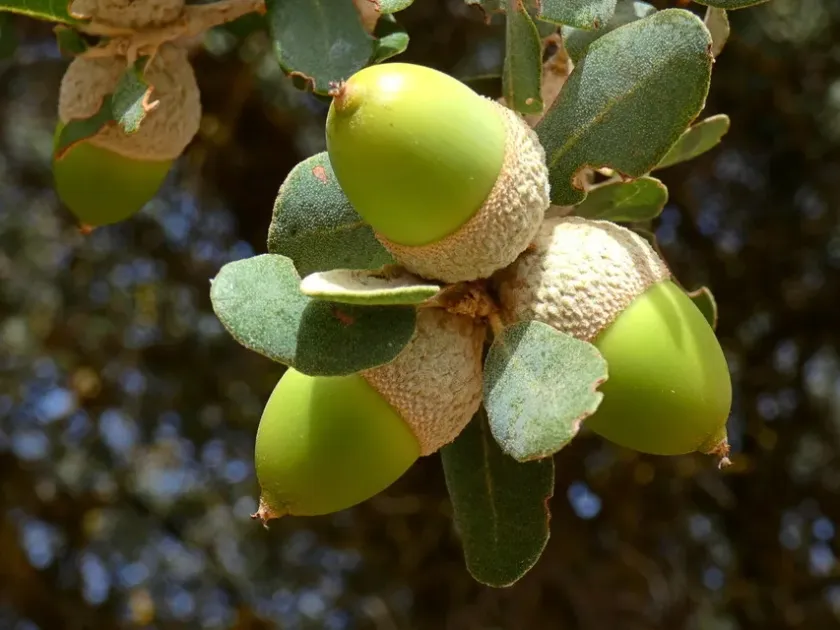
Description
Growing requirements
The Moris Oak (Quercus × morisii) is an intriguing hybrid tree species belonging to the Fagaceae family. It originates from a natural crossing between Quercus ilex and Quercus pubescens, exhibiting a unique set of adaptive features.
The native distribution area is primarily focused in Mediterranean regions, particularly in Sardinia. The species is well-suited to climates characterized by long, dry summers and mild, wet winters, which define its ecological niche.
Soil requirements for this oak involve a preference for well-drained, lime-rich, or stony soils. It demonstrates significant drought resistance, making it a valuable candidate for reforesting arid or semi-arid landscapes.
Agricultural management requires careful attention to root health during the initial establishment phase. Proper spacing is essential to ensure adequate airflow, which is critical for preventing moisture accumulation near the bark and foliage.
In terms of practical use, the Moris Oak is often valued in agroforestry for slope stabilization and soil conservation. It also serves as a beautiful ornamental tree, providing significant biomass and supporting local ecological biodiversity.
Main diseases and pests
Common pests include leaf-eating caterpillars and various beetles that target young foliage. Early detection and seasonal monitoring are essential to prevent significant defoliation and maintain tree vigor throughout the growing season.
Fungal diseases, such as powdery mildew, often occur when humidity levels remain high or airflow is restricted. Implementing proper canopy management and regular thinning of branches can significantly mitigate these risks.
Root system disorders, particularly those related to Phytophthora or other root rot pathogens, pose a constant threat. Maintaining soil aeration is the most effective preventative measure against these silent threats to the tree's survival.
Structural damage from strong winds or improper pruning can lead to decay and secondary infections. All pruning activities should be performed with sterile tools and during favorable weather to facilitate rapid healing.
Environmental stress, such as extreme heatwaves, may necessitate supplementary irrigation during the first few years of growth. A healthy, well-nourished tree is significantly more resistant to both environmental stress and pest attacks.