
Lannes oak
Quercus x crenata Lam.
Description
Growing requirements
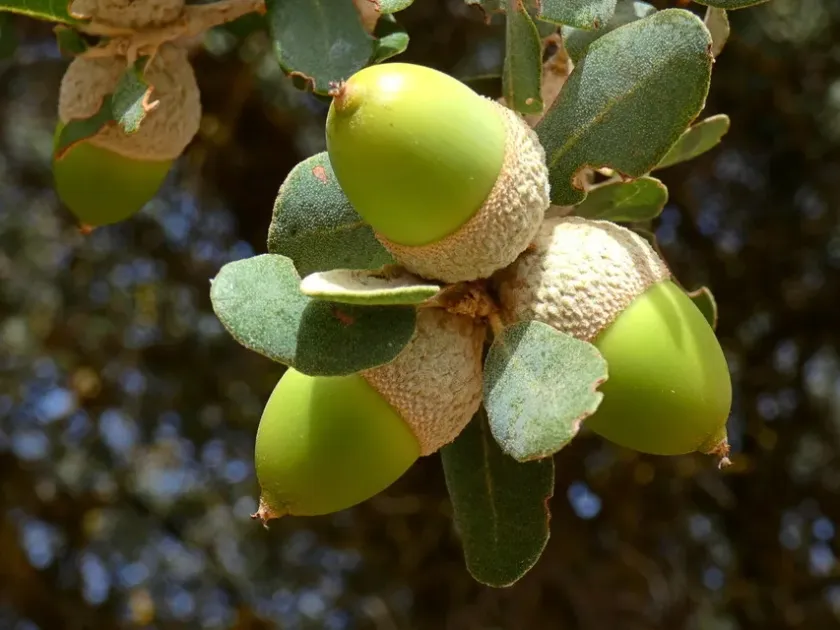
Lannes oak (Quercus x crenata) is a recognized natural hybrid between the cork oak and the Turkey oak, belonging to the Fagaceae family. It is valued for its rapid growth rate and morphological characteristics that make it an attractive ornamental and forestry species.
The culture thrives in sunny environments with deep, well-draining soils. While it can adapt to various soil types, it performs best in slightly acidic to neutral substrates that provide adequate aeration for the root system.
Regarding climate, this hybrid shows significant resilience but prefers temperate to Mediterranean climates. It is relatively drought-tolerant once established, but young trees require regular moisture during the first few seasons to ensure healthy development.
Agricultural management primarily involves pruning for structure and hygiene, as well as keeping the soil surface weed-free to reduce competition for nutrients in the early stages of growth.
Economically, this oak is utilized in urban forestry, landscape architecture, and as a component of mixed forest stands, providing both aesthetic value and ecological benefits such as soil stabilization and wind protection.
Main diseases and pests
The species is susceptible to various fungal pathogens, such as powdery mildew, which often occurs during periods of high humidity and limited air circulation within the canopy.
Pests including wood-boring beetles and certain moth larvae represent a significant risk, as they can cause structural damage to the stems and interfere with nutrient transport.
Root rot caused by stagnant water or poor soil drainage is a major threat, which can lead to the sudden decline of the tree if environmental conditions are not managed correctly.
Frost damage during the late spring period can affect young shoots, potentially opening entry points for opportunistic pathogens or causing long-term deformation of the tree’s crown.
Maintaining high standards of horticultural practice, including monitoring for early signs of infection and proper sanitation, remains the most effective strategy for ensuring the long-term health of the plantation.