
Bimundorum Oak
Quercus x bimundorum E. J. Palmer
Description
Sowing dates
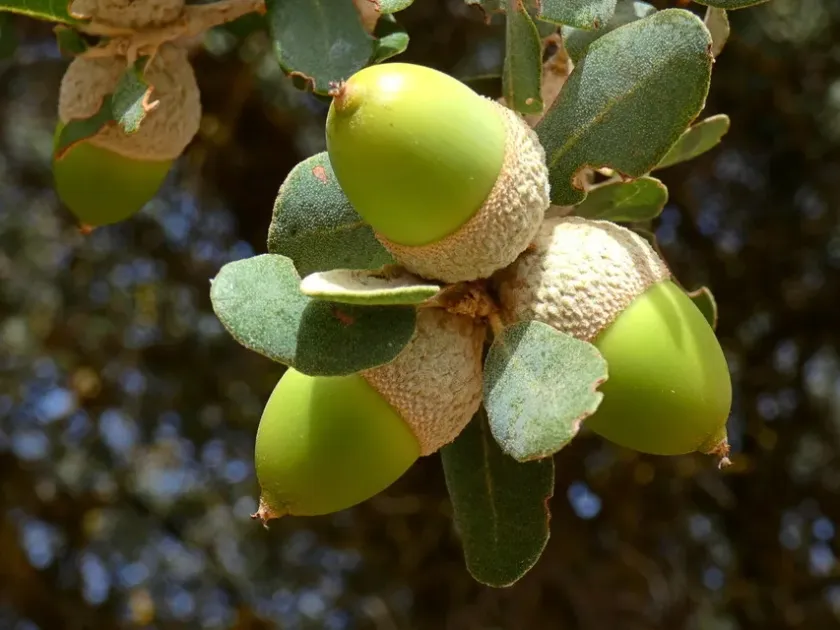
The Bimundorum Oak (Quercus x bimundorum) is a hybrid resulting from the cross-breeding of the White Oak (Quercus alba) and the English Oak (Quercus robur). Propagation is typically achieved by planting acorns, which are collected in the autumn immediately after maturity.
The optimal sowing season is late autumn. Placing the acorns directly into the nursery soil allows them to undergo a natural period of cold stratification over the winter, which is essential for uniform germination in the following spring.
For spring sowing, acorns must be kept in cold, moist storage at temperatures between 0 and 3 degrees Celsius for at least two months. It is vital to keep the acorns from drying out, as they lose their viability very quickly once the moisture content drops.
Nursery beds should be prepared with well-drained, loose soil to prevent fungal infections. Planting depth is generally 5 to 8 centimeters, which provides sufficient cover while allowing the seedling to emerge easily without exhausting its food reserves.
Spacings between rows should be at least 2 meters to allow for proper airflow and access for maintenance machinery. Mulching the seed rows helps maintain soil moisture, which is critical for the early development of the radicle and shoot.
Growing requirements
As a member of the Fagaceae family, the Bimundorum Oak thrives in deep, fertile soils that offer a balance of moisture and aeration. It performs best in slightly acidic to neutral soil environments that are rich in organic matter.
The tree has a strong requirement for full sunlight, which is necessary for the development of a dense and healthy canopy. While it can tolerate partial shade when very young, growth rates significantly decrease if the tree is not exposed to direct light.
In terms of climate, this hybrid is known for its hardiness, as it is adapted to temperate zones. It handles cold winters well, though it can be sensitive to erratic spring weather, particularly sudden frost events after a warm spell.
Watering requirements are highest during the first five years of growth. A deep watering schedule encourages the tree to develop a profound taproot system, which is crucial for its long-term stability and resistance to drought in mature years.
Fertilization should be limited to the early spring to stimulate primary vegetative growth. Excessive late-season nitrogen should be avoided to prevent the growth of tender tissues that would be susceptible to winter cold damage.
Main diseases and pests
Powdery mildew is a common fungal threat to the leaves, particularly in climates with high summer humidity. Regular monitoring and, if necessary, the application of appropriate fungicides can help mitigate the impact of this condition.
Various insect pests, including oak leaf rollers and weevils, can cause significant defoliation if left unchecked. Integrated pest management strategies, including biological controls or targeted insecticides, are recommended for large stands.
Root rot, often caused by poor drainage and pathogens like Armillaria, can be devastating. Maintaining site drainage is the primary defense against such diseases, as saturated soil prevents root health.
Young trees are vulnerable to girdling by small mammals during winter months. Protecting the base of the trunk with protective sleeves or wire mesh is a necessary precaution in areas where rodent populations are high.
Environmental stress, including soil compaction and urban air pollution, can weaken individual trees over time. Providing adequate space and soil aeration is essential for sustaining the tree's long-term health and vigor.