
Trojan oak
Quercus trojana Webb
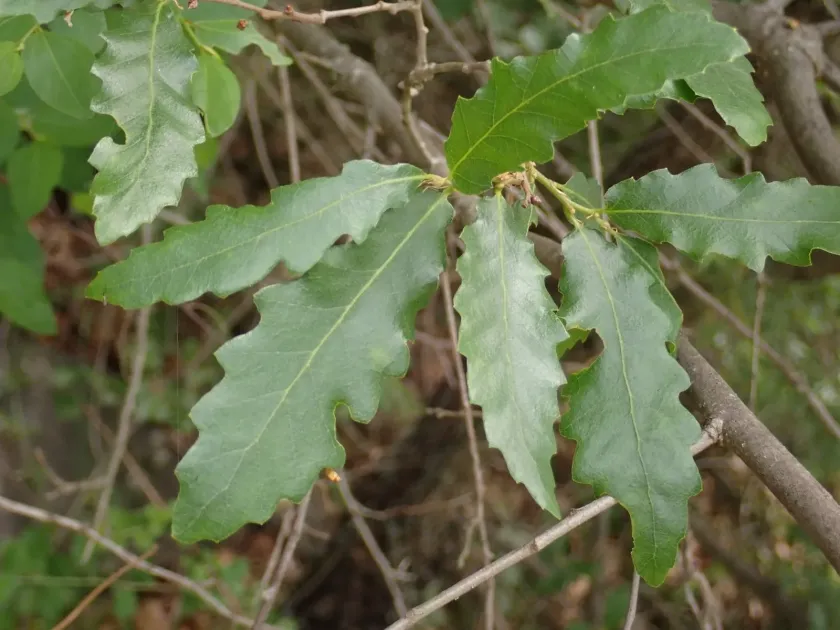
Description
Growing requirements
Trojan oak (Quercus trojana) is a semi-evergreen species belonging to the Fagaceae family, native to the Balkan Peninsula and parts of southern Italy. It is well-adapted to Mediterranean climates where summers are characterized by prolonged heat and drought.
The species prefers calcareous, rocky, and well-drained soils. Its biological resilience allows it to thrive in nutrient-poor substrates where common deciduous trees would struggle to survive, making it an excellent candidate for reforestation in challenging environments.
Regarding climate requirements, this oak is a heliophilous species, meaning it requires full exposure to direct sunlight to ensure optimal growth and crown density. While it is reasonably hardy, young trees require protection from severe winter frosts and cold winds during their establishment phase.
Agrotechnical practices for Quercus trojana are relatively simple due to its natural vigor. Planting should be done in autumn or early spring to allow the root system to adapt before the onset of the summer drought. Periodic mulching can help retain moisture in the soil around the sapling.
Economically, the Trojan oak serves both ornamental and silvicultural purposes. It is highly valued in landscape architecture for its evergreen foliage and unique aesthetic. In forestry, it contributes to biodiversity and soil stabilization on steep hillsides.
Main diseases and pests
The primary threats to the cultivation of Trojan oak include root rot caused by poorly drained soils or over-irrigation. Maintaining a dry, well-aerated soil structure is the most effective preventative measure against fungal pathogens that target the root collar.
Insect pests such as leaf miners and wood-boring beetles can affect the health of the tree. Regular inspection of the foliage and bark during the active growing season is recommended to manage pest populations before they cause significant structural damage.