
Northern red oak
Quercus rubra L.
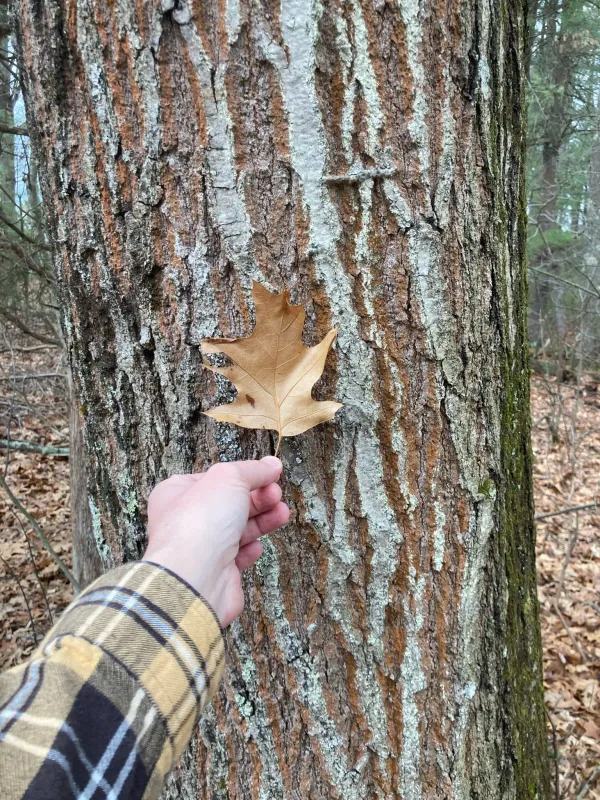
Description
Sowing dates
Propagation of Northern red oak is primarily achieved through direct seeding of acorns. The most successful results are obtained when sowing in autumn, allowing the seeds to undergo natural stratification throughout the winter months.
For spring sowing, acorns must be stored at temperatures between 0 and 5 degrees Celsius under moist conditions for several months. Proper stratification is essential to ensure a high germination rate when planted.
Sowing depth is typically kept between 5 and 8 centimeters. In lighter sandy soils, acorns are planted deeper, whereas in heavier clay-rich soils, a shallower depth is preferred to allow for optimal seedling emergence.
In forest nurseries, seeds are sown in rows or ribbons. This method ensures sufficient spacing for mechanical weed control and helps each individual seedling receive adequate light and nutrients during the first years of growth.
Protection from small mammals and rodents is critical immediately after sowing. These pests can rapidly consume large quantities of acorns, leading to poor establishment of the plantation.
Growing requirements
The Northern red oak, belonging to the Fagaceae family, thrives in a wide range of temperate conditions. It prefers deep, fertile, and well-drained soils, showing a preference for slightly acidic to neutral pH levels.
This species is moderately shade-tolerant during its early growth but eventually becomes highly light-demanding. Silvicultural practices, such as thinning, are necessary to ensure the dominant trees have enough space to mature.
The species exhibits excellent hardiness, making it capable of surviving harsh winters with deep freezes. It is widely adaptable to various climatic zones across the Northern Hemisphere.
Soil drainage is a vital requirement for this oak. It does not tolerate waterlogged, swampy conditions, which can quickly lead to root rot and severe stress, often resulting in mortality in young stands.
While the tree is relatively drought-tolerant once established, it requires consistent moisture during its sapling stage. Supplementary irrigation may be beneficial during the first few years of growth in dry climates.
Yield
The primary economic use of Northern red oak is the production of high-quality hardwood lumber. The wood is renowned for its durability, strength, and distinctive grain pattern, making it a staple in the furniture and flooring industries.
Northern red oak is known for its rapid growth rate compared to other oak species. This allows for a shorter rotation period in commercial forestry, making it a highly profitable timber crop for landowners.
In addition to timber production, the tree is a staple in landscape architecture. Its majestic form and brilliant fall coloration make it a preferred species for parks, city streets, and large estates.
The wood is also utilized in heavy construction and the manufacturing of various specialized products, including veneer and plywood, due to its ability to take stains and finishes exceptionally well.
Sustainable management of red oak stands ensures a continuous yield of raw material while maintaining the ecological health of the forest, providing habitat for diverse wildlife species.
Main diseases and pests
Powdery mildew is a common fungal disease that affects the leaves, especially in humid conditions. It creates a white, dusty layer on the foliage, which can reduce photosynthetic efficiency.
Defoliating insects, such as the oak leafroller, pose a recurring threat. Mass outbreaks can lead to complete defoliation, stressing the tree and making it more susceptible to other secondary pathogens.
Root rot caused by fungi, such as Armillaria, occurs mainly in trees suffering from other stresses, including poor drainage or physical damage. Maintaining a healthy growing environment is the best prevention.
Boring insects can damage the trunk, compromising the timber quality of mature trees. Regular monitoring for signs of infestation is crucial for protecting the value of the lumber.
- Implementation of integrated pest management (IPM) strategies.
- Monitoring leaf health for signs of fungal infections.
- Removing and destroying infected wood to prevent the spread of disease.