
McDaniel Oak
Quercus robur x Quercus macrocarpa x Quercus macdanielii
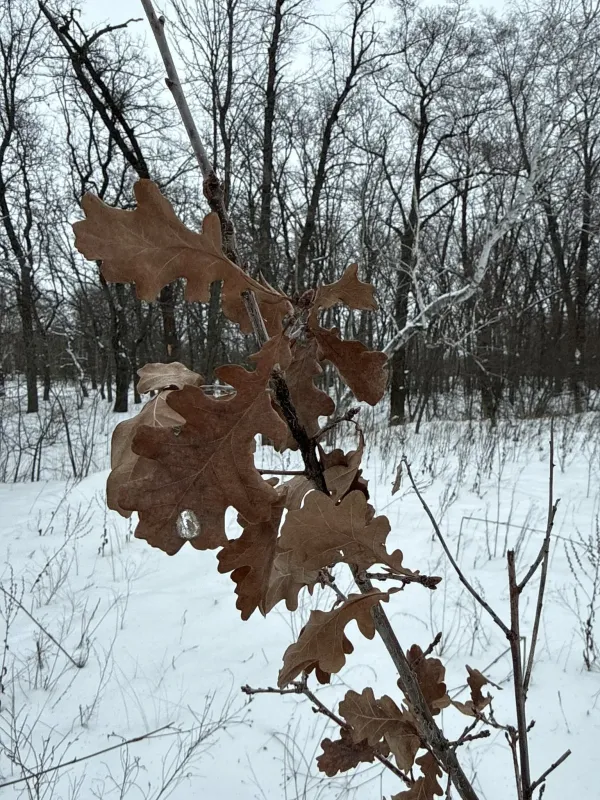
Description
Sowing dates
The McDaniel Oak is primarily propagated via nursery-grown seedlings to ensure the retention of desirable hybrid traits, as seed germination can lead to variability.
Planting is best performed during the dormant season, specifically early spring before bud break or late autumn after the leaves have fallen.
If sowing acorns, cold stratification is essential to break dormancy, typically requiring 2–3 months of storage in moist conditions at temperatures near freezing.
Proper site preparation, including deep tilling and organic amendment incorporation, significantly increases the survival rate of young McDaniel Oak saplings.
Spacing should be carefully planned according to the desired outcome, typically ranging from 6 to 9 meters apart to allow for mature canopy development.
Growing requirements
The McDaniel Oak, belonging to the Fagaceae family, is a vigorous interspecific hybrid that combines the structural integrity of native oaks with increased growth rates.
This tree thrives in deep, well-drained loamy soils and exhibits a preference for sites that maintain consistent moisture levels throughout the growing season.
It is noted for its exceptional tolerance to extreme cold and climatic variability, making it a robust choice for temperate climate zone reforestation efforts.
Exposure to full sunlight is critical for the tree to maintain its characteristic rapid growth, as shading can lead to thinning of the foliage and structural weakness.
Soil pH levels should remain within the slightly acidic to neutral range (6.0–7.5) to ensure optimal nutrient uptake and general health of the root system.
Yield
This species is highly valued in modern forestry for its superior timber quality, which balances high density with a relatively short harvest rotation cycle.
Beyond its utility in the timber industry, the tree serves as an excellent ornamental specimen in parks due to its attractive foliage and large, aesthetic acorns.
The wood produced by this hybrid is sought after for high-end furniture manufacturing, construction, and durable outdoor applications due to its rot resistance.
In addition to timber, the tree contributes significantly to local biodiversity, providing abundant food sources for wildlife compared to standard oak varieties.
Effective management of the grove allows for a sustainable supply of acorns for seed orchards, supporting further propagation and scientific research on hybrid vigor.
Main diseases and pests
Powdery mildew is a common fungal issue that can affect the leaves, particularly during humid seasons, and may require preventative fungicide application.
Insects such as the oak leaf roller can cause significant defoliation, which stresses the tree and slows down the annual accumulation of biomass.
Boring insects represent a potential threat to stressed or damaged wood, emphasizing the importance of maintaining vigorous trees through proper moisture management.
Root system health is vital; therefore, protecting the site from soil compaction is necessary to allow for proper gas exchange in the soil layers.
- Regular monitoring of canopy health.
- Sanitation pruning to remove dead or diseased wood.
- Integrated pest management strategies including biological controls.