
Mount Tabor oak
Quercus ithaburensis Decne.
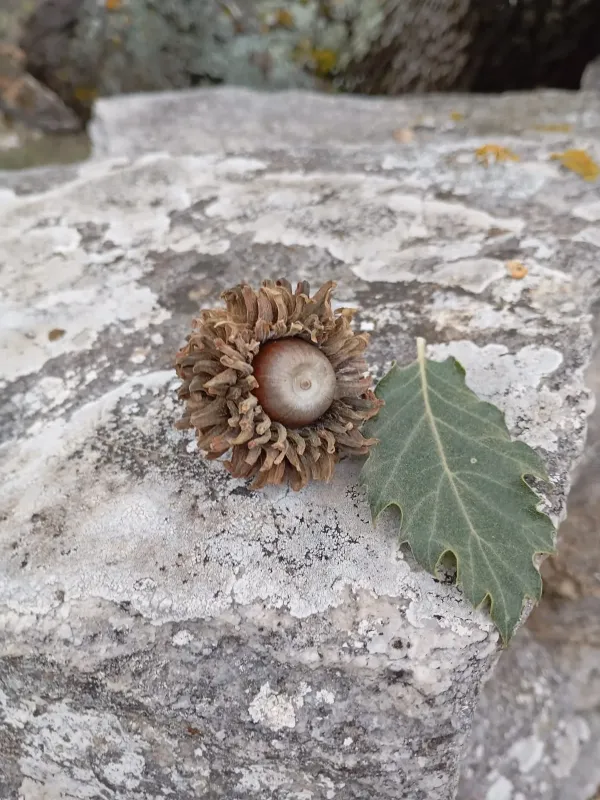
Description
Sowing dates
The sowing of Mount Tabor oak acorns is typically carried out in late autumn to align with natural germination cycles and minimize moisture loss.
When sowing in nurseries, it is essential to ensure that the soil temperature is sufficient to support initial root development without risking seed rot.
The optimal planting depth for acorns usually ranges between 5 to 10 centimeters, depending on the soil texture and the degree of moisture retention.
Spacing between seedlings must be carefully managed to prevent competition for resources, allowing each tree to develop a healthy canopy structure.
Following the sowing process, applying a layer of organic mulch can protect the seeds from extreme temperatures and prevent soil compaction.
Growing requirements
The Mount Tabor oak is a member of the Fagaceae family, well-adapted to the hot, arid climates of the Eastern Mediterranean region.
This species thrives in well-drained, often calcareous soils and shows a remarkable resilience to prolonged periods of summer drought.
As a light-demanding tree, it requires full sun exposure to maintain vigorous growth and to develop its characteristic broad, spreading crown.
Standard horticultural practices for this species include the removal of invasive weeds that may compete for nitrogen and soil water in early stages.
Young plants require supplemental irrigation during the first two years until the taproot is established deep enough to access subsurface moisture.
Yield
The timber of the Mount Tabor oak is highly valued for its exceptional hardness and durability, making it suitable for high-end construction and furniture.
Agricultural integration of this species serves as a natural windbreak, effectively protecting field crops from wind erosion and reducing desiccation.
The acorns are a traditional source of fodder for livestock, contributing to sustainable silvopastoral systems in various rural landscapes.
Tannins extracted from the bark provide a sustainable raw material for the leather processing industry, emphasizing the tree's versatile economic utility.
The ecological impact of planting these oaks is significant, as they support local biodiversity by providing habitat and food sources for various bird species.
Main diseases and pests
Powdery mildew is a common pathological threat, particularly during seasons with high atmospheric humidity or poor airflow within the canopy.
Defoliating insects, such as the oak leaf roller, can cause significant stress to trees, necessitating biological control methods to maintain foliage health.
Root rot pathogens, often exacerbated by waterlogged soil conditions, pose a severe threat to the long-term viability of oak plantations.
Wood-boring beetles can colonize stressed or damaged trunks, leading to structural instability and necessitating urgent sanitary interventions.
Preventative measures, such as maintaining appropriate density and promoting tree vigor, remain the primary defense against major pests and diseases.