
Gussone's Oak
Quercus gussonei (Borzì) Brullo
Description
Growing requirements
Gussone's Oak (Quercus gussonei) is a member of the Fagaceae family. This distinct tree species is primarily endemic to the island of Sicily, Italy. It occupies a specific niche within Mediterranean forest ecosystems, often integrated into broad-leaved mixed forests that characterize the regional landscape.
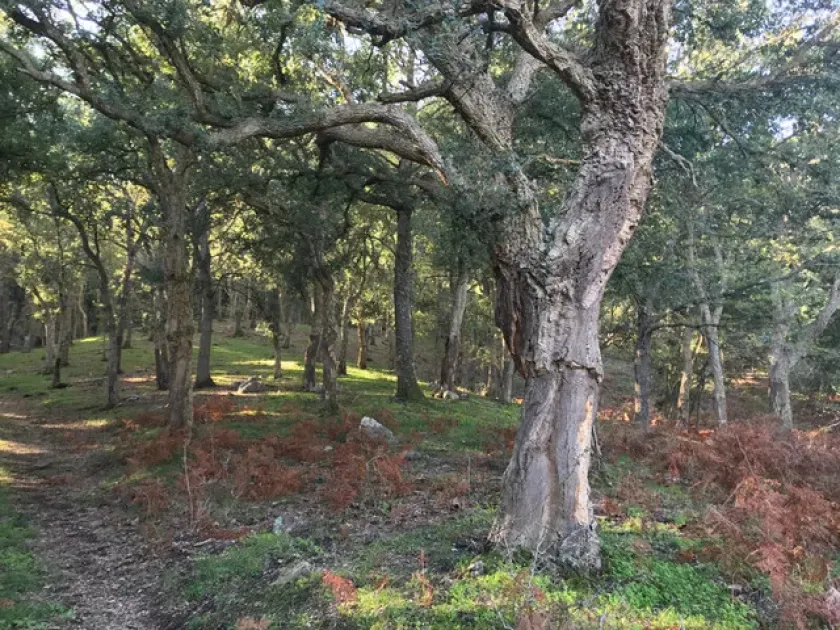
Botanically, this species is noted for its structural integrity and distinct leaf morphology. It is a deciduous tree that can reach significant heights, providing valuable canopy cover. The bark is rugged and fissured, which protects the tree from environmental stressors throughout its long lifespan.
Cultivation requires deep, well-drained soils. Ideally, the substrate should be fertile and exhibit a neutral or slightly acidic pH balance. The tree is intolerant to poorly aerated or waterlogged sites, where root respiration is hampered, which may lead to diminished vigor or vulnerability to pathogens.
In terms of climate, Gussone's Oak thrives in areas with mild, rainy winters and hot, dry summers. It exhibits good resistance to drought once established, making it well-suited to Mediterranean-like conditions. Exposure to direct sunlight is generally beneficial, though younger specimens may require partial shade in the early stages of development.
The primary use of the species is in biodiversity conservation and botanical restoration. Its genetic traits are of particular interest for forestry research aiming to improve the drought resistance of oaks in southern Europe. Historically, the wood was appreciated for its density, though current conservation laws strictly limit any harvesting.
Main diseases and pests
The health of the species is mainly impacted by environmental shifts and susceptibility to fungal diseases. Root rot is a significant risk in areas with improper drainage, and foliar diseases such as powdery mildew can affect growth during seasons with abnormal humidity levels.
Insect pests include wood-boring beetles that target the vascular tissue of the trunk. Additionally, the reproductive cycle is frequently disrupted by weevils that infest the acorns before or shortly after they hit the ground, significantly reducing the viability of natural regeneration in the wild.