
Escarpment live oak
Quercus fusiformis Small
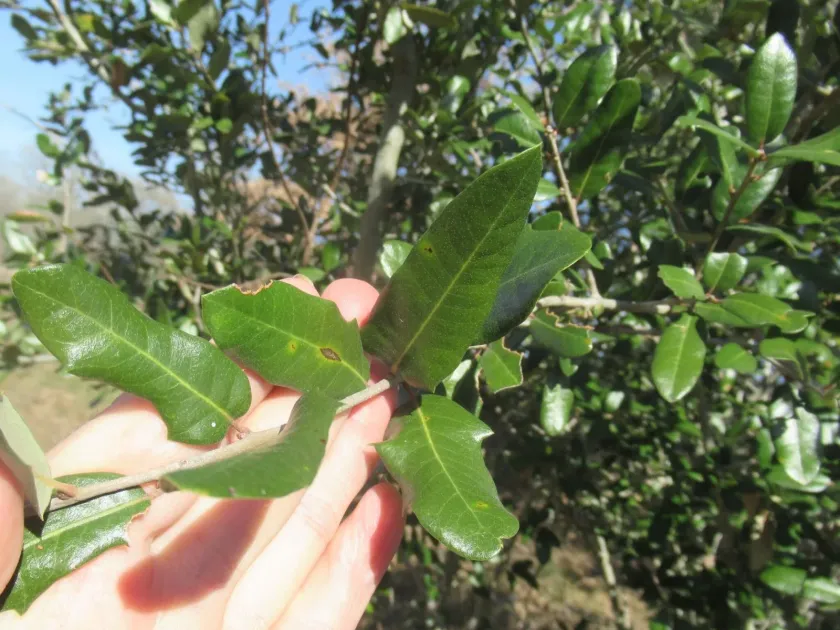
Description
Sowing dates
Sowing of Escarpment live oak (Quercus fusiformis), a member of the Fagaceae family, is typically performed in the autumn. Direct sowing in prepared beds allows the acorns to undergo necessary natural stratification during the winter months.
The seeds should be planted at a depth of 3 to 5 centimeters. Proper soil drainage is essential for successful germination to prevent the acorns from rotting during periods of high winter precipitation.
If sowing is delayed until spring, the acorns must be cold-stratified in moist sand at temperatures between 1 and 5 degrees Celsius for approximately two to three months to break seed dormancy.
During the first year, growth is focused on establishing a deep taproot. Growers should ensure that seedling beds remain free of weeds, as the young oaks are slow to establish and can be easily outcompeted.
In nursery settings, container-grown seedlings are often preferred to maintain the integrity of the long taproot when outplanting to permanent locations, ensuring higher survival rates in field conditions.
Growing requirements
Originating from the limestone regions of Texas and Mexico, this species is exceptionally drought-tolerant and thrives in harsh, high-heat environments where other oak varieties might struggle.
The plant prefers well-drained, alkaline, or limestone-based soils. It exhibits excellent adaptability to rocky substrates, making it an ideal choice for reforestation projects in challenging terrain.
Full sun exposure is a critical requirement for the Escarpment live oak. The tree’s crown density and structural integrity depend heavily on access to direct sunlight throughout the growing season.
While the tree is hardy in its native range, young specimens should be monitored for freeze damage. Mulching the base of the trees helps stabilize soil moisture and protects roots from temperature fluctuations.
Maintenance is relatively low once the trees are established. Occasional pruning may be required to maintain a single trunk or to remove damaged limbs, contributing to the long-term health of the mature specimen.
Main diseases and pests
The most significant threat is Oak Wilt (Ceratocystis fagacearum), a vascular disease that can spread rapidly through root grafting between neighboring trees. Prevention through avoiding wounding during the growing season is essential.
Various insect pests, including borers and leaf-eating beetles, can affect the vigor of the trees. Integrated pest management practices should be employed if infestation thresholds are exceeded.
Powdery mildew can become an issue in overcrowded nursery environments with limited airflow. Maintaining proper spacing and using appropriate fungicides can effectively control this fungal pathogen.
Deer browsing on young, tender leaves and twigs can significantly stunt the growth of young oaks. Installing protective fencing or tree shelters is highly recommended during the establishment phase.
Mechanical damage to the trunk from mowers or construction equipment can provide an entry point for diseases and decay. Maintaining a clean mulch ring around the tree helps prevent such accidents.