
Dalechamp's oak
Quercus dalechampii Ten.
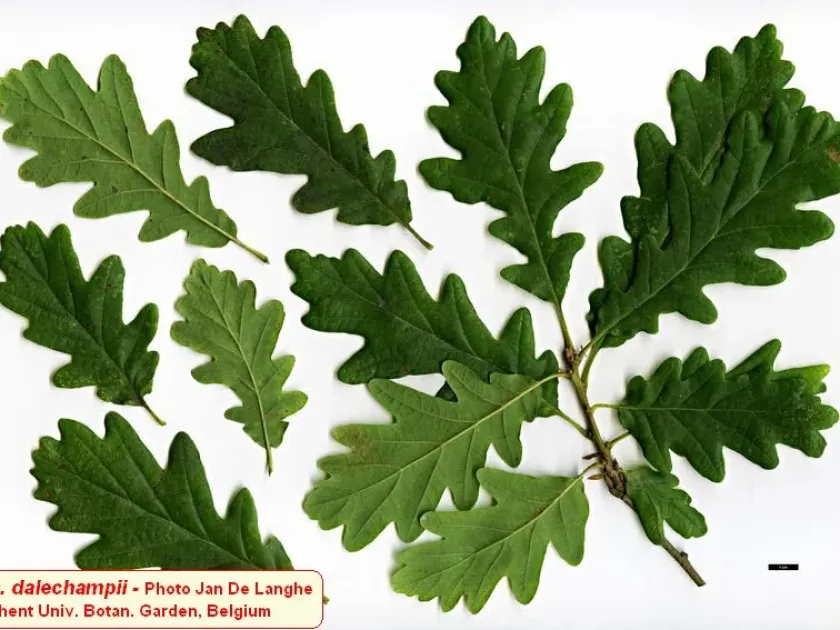
Description
Growing requirements
Dalechamp's oak (Quercus dalechampii Ten.) is a distinct and highly resilient species belonging to the Fagaceae family, native to the mountainous regions of Southeastern Europe.
The botanical profile of this tree includes leaves with specific lobing patterns and a sturdy trunk structure, which allows it to thrive in challenging environments ranging from rocky slopes to fertile valley soils.
Regarding climatic requirements, the species shows remarkable adaptability to Mediterranean and continental climates, preferring areas with moderate precipitation and long, warm growing seasons.
Agronomic management requires selecting sites with good drainage, as the species does not tolerate stagnant water. Seedlings should be planted in well-prepared pits with organic amendments to facilitate establishment.
The economic significance of Quercus dalechampii is attributed to its dense, high-quality timber, which is highly sought after for furniture making, flooring, and sustainable forest regeneration projects.
Main diseases and pests
Common pathological threats include powdery mildew, which can significantly stunt the growth of young saplings if not managed with proper spacing and ventilation.
Insect pests, specifically various types of oak gall wasps and defoliators, are documented threats that require regular biological or chemical intervention during outbreak years.
Environmental stress factors, such as extreme late frosts, can damage terminal buds, requiring corrective pruning to maintain the straightness and quality of the central leader.
Root system vulnerability during the first three years after planting necessitates careful moisture control to prevent root rot pathogens from establishing in the substrate.
Professional forest management practices, including thinning and systematic monitoring, are essential to ensure the long-term vitality and wood quality of this oak species.