
Congested oak
Quercus congesta C. Presl
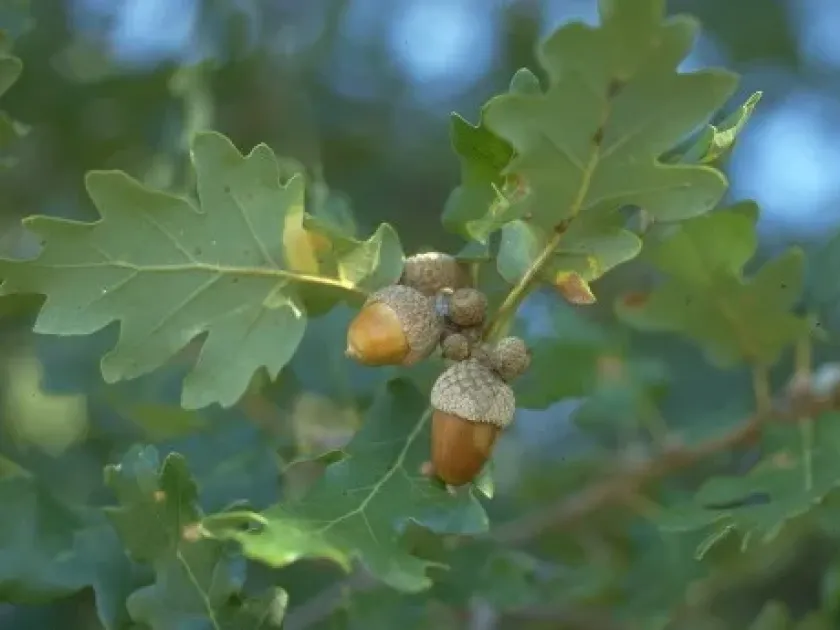
Description
Growing requirements
The congested oak (Quercus congesta) belongs to the Fagaceae family and is recognized as a specific tree species native to the Mediterranean region, notably in Sicily. It typically thrives in diverse mountain forest ecosystems.
This species is well-adapted to nutrient-poor and rocky soils, demonstrating a high level of environmental resilience. It requires sites with efficient drainage to ensure optimal root development and prevent physiological stress.
Climatic requirements are centered around the Mediterranean climate, which is characterized by dry summers and mild, wet winters. The tree exhibits significant drought tolerance once established in its permanent location.
Silvicultural practices include careful seedling management and protecting young plants from competitive vegetation and animal browsing. Due to its slow growth, the initial stage of establishment requires consistent monitoring and care.
The economic utility of the congested oak focuses on reforestation projects and soil erosion control in mountainous terrains. Its wood possesses the characteristic durability of the genus, making it suitable for specialized woodworking.
Main diseases and pests
The primary threats to Quercus congesta include vascular wilt diseases and fungal pathogens that affect the tree's canopy. Environmental stress can often trigger susceptibility to various opportunistic pathogens.
Insect pests, particularly wood-boring beetles and defoliators, represent a constant management challenge. Integrated pest management strategies are essential to maintain the health of stands in their natural habitat.