
Pyrenean oak
Quercus pyrenaica Willd.
Description
Growing requirements
The Pyrenean oak (Quercus pyrenaica) is a deciduous tree belonging to the Fagaceae family. It is native to southwestern Europe, with its main range covering the Iberian Peninsula and parts of France.
This species is highly adaptable to acidic soils, including granite and sandy substrates, where other oak species often fail to thrive. It plays a significant role in ecological restoration in mountainous regions.
Climate requirements include a preference for moderate temperatures and sufficient moisture. The tree demonstrates strong resilience to periodic droughts once the root system is well-established in its habitat.
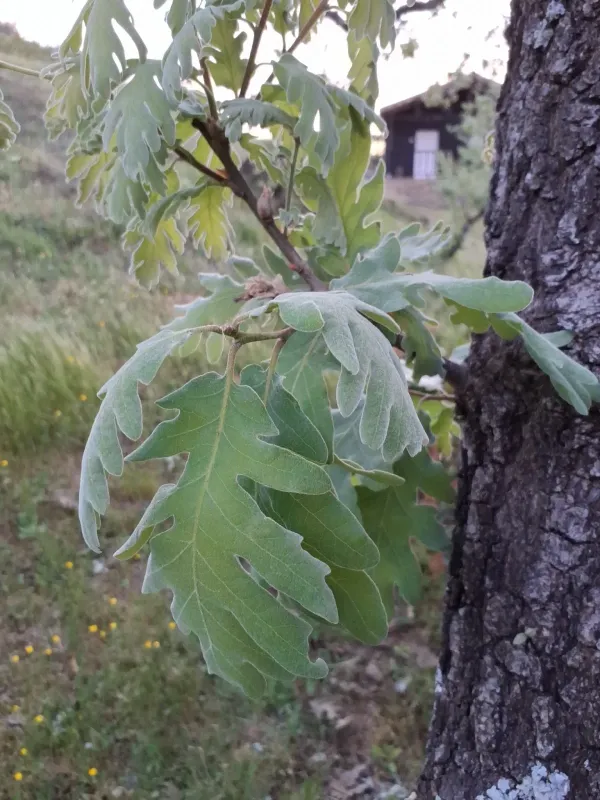
Botanically, the species is distinguished by its deeply lobed leaves that are heavily covered with fine hairs, giving the foliage a unique texture and appearance throughout the growing season.
In terms of economic utility, the Pyrenean oak is highly regarded for its wood quality, providing excellent fuel, charcoal, and timber for specialized local industries, as well as serving as a critical habitat species.
Main diseases and pests
Common diseases affecting this species include powdery mildew and various leaf-spotting fungi, which can reduce photosynthetic efficiency during humid and warm summers.
Key pests include wood-boring beetles and leaf-miners that target the tree's vascular system, potentially weakening the specimen and making it susceptible to secondary infections.
Root rot pathogens represent a severe risk in waterlogged soil conditions, often leading to rapid decline and mortality in younger, sensitive plantations.
Integrated pest management strategies in forest plantations emphasize maintaining biodiversity to naturally control insect populations and monitoring signs of pathogen stress early.
Proper site preparation and selecting appropriate planting density are critical agronomic steps to prevent the rapid transmission of infections among the young saplings.