
Pin oak
Quercus palustris Münchh.
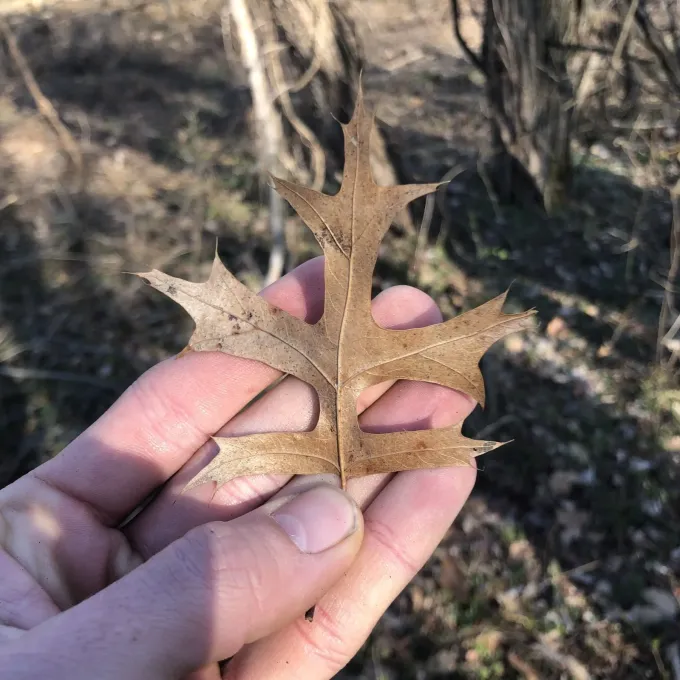
Description
Sowing dates
Pin oak propagation is primarily achieved through acorns. The seeds must be collected in the fall as soon as they drop from the tree, avoiding those that are dried or damaged by insects.
For immediate planting, place acorns in a nursery bed or container. If storage is required, they must be kept in a cold, moist environment (stratification) at temperatures between 1°C and 5°C to break seed dormancy.
Planting depth should be approximately twice the width of the acorn. Ensure the soil is rich, well-draining, and slightly acidic to support rapid initial root growth.
Seedlings need consistent moisture during their first growing season. Shade cloth may be used to protect very young plants from intense heat during their first few weeks of life.
When moving young trees to their permanent location, root pruning in the nursery stage is highly recommended to encourage a dense fibrous root system, which helps in transplantation success.
Growing requirements
The Pin oak (Quercus palustris) belongs to the Fagaceae family. It is native to the eastern and central United States, where it naturally inhabits floodplains and moist lowlands.
This species is highly tolerant of wet soils and can withstand periodic flooding. However, it requires well-draining soil in landscape settings to prevent the long-term root suffocation caused by stagnant water.
It thrives in acidic soils and is highly susceptible to iron chlorosis when planted in alkaline or high-pH lime soils. Soil amendment with sulfur or iron chelate may be necessary in such conditions.
Full sun is essential for the tree to maintain its distinctive pyramidal form. Crowding or planting in shaded environments will lead to thin branching and an overall decrease in tree vigor.
While the tree is hardy, protection from severe winter winds is advisable for young specimens. Once established, it demonstrates strong structural integrity and can adapt to various urban conditions.
Main diseases and pests
Powdery mildew is a common fungal issue that creates a white, powdery appearance on the leaves. Increasing airflow through pruning and using targeted fungicides can manage this condition.
The oak leaf caterpillar and other defoliators can cause significant damage during the summer months. Integrated pest management, including biological controls, is preferred to maintain tree health.
Boring insects, such as the two-lined chestnut borer, often target trees that are already stressed by drought or poor soil conditions. Keeping the tree hydrated is the best primary defense.
Root rot, including Phytophthora species, can affect Pin oaks if the soil remains constantly waterlogged without adequate drainage. Monitoring soil moisture levels is crucial for tree longevity.
- Routine inspection for larval entry holes in the bark.
- Pruning of dead or decaying branches.
- Application of mulch to retain moisture and regulate soil temperature.