
Overcup oak
Quercus lyrata Walter
Description
Growing requirements
The overcup oak (Quercus lyrata) is a member of the Fagaceae family, native to the floodplains and swamps of the southeastern and south-central United States.
This species is highly adapted to wet environments, thriving in heavy, poorly drained clay soils where other oak species might fail due to root suffocation.
It requires consistent moisture levels and performs best in river bottoms or lowland areas that experience seasonal flooding. It is moderately shade-tolerant during its juvenile stage.
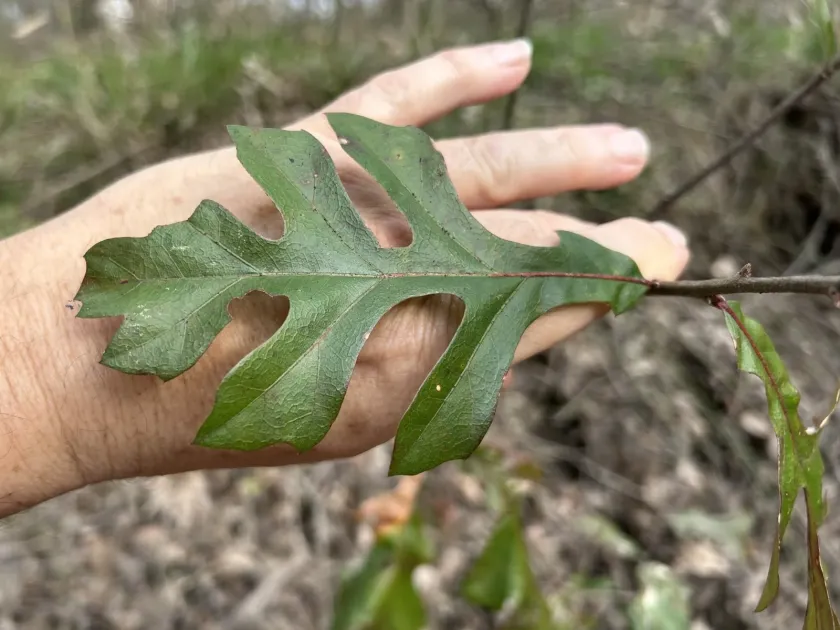
Botanically, the tree is recognized by its unique, deeply lobed leaves and distinctive acorns that are almost entirely enclosed by a woody, fringed cup, which gives the species its name.
Economically, it is valued for its high-quality timber, often marketed as white oak, and is widely utilized in sustainable landscaping projects focused on restoring wetland ecosystems.
Main diseases and pests
Major threats include leaf spot diseases and powdery mildew, which are particularly prevalent in areas with high humidity and limited air circulation within the tree canopy.
Insect pests, including various species of oak leafrollers and defoliating caterpillars, can significantly reduce the vitality of the trees during the active growing season.
Vascular wilt diseases, specifically oak wilt caused by fungal pathogens, represent a critical risk to the health of the population, requiring strict phytosanitary management.
Wood-boring insects may infest trees that are already suffering from environmental stress or mechanical damage, potentially leading to long-term structural decline.
Effective management includes regular monitoring, sanitizing pruning tools to prevent infection spread, and ensuring proper spacing to promote adequate ventilation.