
Southern live oak
Quercus virginiana Mill.
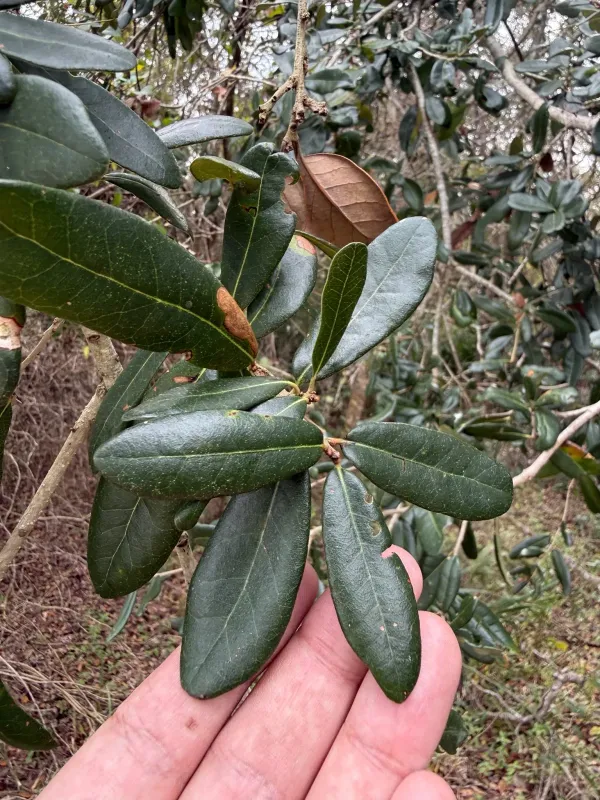
Description
Sowing dates
The propagation of the Southern live oak begins with the collection of acorns immediately after they mature in the fall. These seeds are recalcitrant and lose viability quickly if allowed to dry out, making prompt planting or moist storage essential.
For nursery production, sow acorns in deep, well-draining potting medium to accommodate the rapid development of the primary taproot. Planting depths should be approximately 3 to 5 centimeters to ensure stability and moisture contact.
Predation by rodents is a significant challenge during the direct sowing phase; therefore, protective screens or containerized cultivation are strongly recommended for high survival rates.
Seedlings typically require partial shade and consistent moisture during their first growing season to establish a robust root system. Once the second year begins, they demonstrate accelerated vertical growth and increased hardiness.
Field transplanting should occur while the tree is dormant to minimize transplant shock. Spacing for permanent installations should account for the tree's massive eventual canopy spread, often requiring 15-20 meters of clearance.
Growing requirements
Quercus virginiana is an iconic evergreen member of the Fagaceae family, famous for its wide-spreading canopy and longevity. Native to the Southeastern United States, it thrives in warm-temperate and subtropical climates.
The tree exhibits high tolerance to a variety of soil conditions, including sandy, loamy, and alkaline limestone-based substrates. While it prefers moist, well-drained soils, established trees are remarkably drought-tolerant.
Full sun exposure is the primary requirement for developing a strong, symmetrical form. The Southern live oak is particularly prized for its extreme wind resistance, making it a staple of coastal landscapes where other species struggle.
Although it withstands mild frosts, it is not adapted to harsh, long-term freezing temperatures. Temperature regulation and proper site selection remain the most critical factors for successful long-term cultivation.
Maintenance involves minimal intervention once the tree is established, though annual pruning to manage structural integrity is recommended for trees in high-traffic urban or residential areas.
Main diseases and pests
Oak wilt is one of the most severe diseases affecting the species, caused by fungal pathogens that clog the tree's vascular system. Strict management of pruning tools and minimizing wounding are the primary preventative measures.
Pests such as scale insects and various leaf-miners can cause aesthetic damage and stress. Monitoring during the spring flush is crucial to intervene before large populations develop on the foliage.
Root rot, caused by Phytophthora species, is a common issue in poorly drained sites or areas with excessive irrigation. Ensuring proper aeration and avoiding soil compaction around the root zone are essential for tree health.
Gall-forming wasps often lay eggs on leaves and twigs, resulting in abnormal growths known as galls. While usually not lethal to the tree, heavy infestations can cause branch dieback in weakened specimens.
Maintaining high vigor through proper mulching and periodic soil nutrient assessment provides the best defense against both common pests and secondary infections that opportunistic pathogens may cause.