
Hungarian oak
Quercus frainetto Ten.
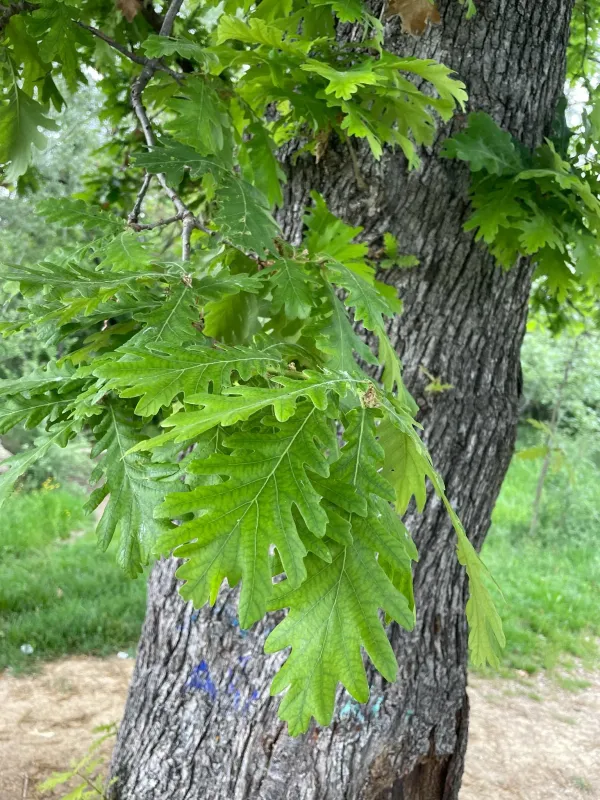
Description
Sowing dates
The sowing of Hungarian oak (Quercus frainetto) acorns is ideally performed in the autumn immediately after harvesting. This practice avoids the desiccation of the seeds and allows them to undergo natural winter dormancy within the soil substrate.
For spring sowing, acorns must be stored in a cool, moist environment to maintain viability. The optimal planting depth is approximately 5 to 8 centimeters, which supports the development of a robust root system before the onset of the first summer heat.
Strategic planting density is crucial to ensure that each seedling has sufficient space and resources for early growth. In forestry plantations, specific spacing guidelines are followed to balance initial competition with long-term stand development.
Modern nursery techniques often employ containerized seedlings, which significantly improve survival rates upon transplantation. This method ensures uniformity and facilitates the selection of the most vigorous plants for field establishment.
Ensuring proper soil contact and moisture levels shortly after planting is critical. Consistent monitoring of germination sites allows for early intervention if environmental factors hinder the emergence of the young seedlings.
Growing requirements
Hungarian oak thrives in warm temperate climates and requires plenty of direct sunlight for optimal growth. It is a heliophilous species, meaning it performs best in open areas rather than under a closed canopy.
The species prefers deep, fertile, and well-drained loamy soils with a neutral to slightly acidic pH. While it is more drought-tolerant than some other oak species, it avoids waterlogged conditions, requiring sites with adequate soil aeration.
Soil fertility management is essential in intensive silviculture. Before establishing new plantations, soil testing is recommended to address potential nutrient deficiencies and ensure the soil structure supports deep root penetration.
Young trees are sensitive to late spring frosts, which can damage new shoots. Selecting sites with favorable microclimates and using hardier genetic stock can mitigate these risks during the early establishment phase of the plantation.
Ongoing maintenance involves keeping the base of the saplings free from weeds that compete for moisture and nutrients. Mechanical cultivation or mulching between rows is a standard practice to enhance the establishment of young oak stands.
Yield
The productivity of Hungarian oak is highly valued in the timber industry due to its dense, durable, and rot-resistant wood. It is considered a premier material for high-quality furniture, flooring, and structural applications.
In addition to lumber, the species is essential for biodiversity and wildlife habitat. Mature stands produce abundant acorns, which serve as a critical food source for various mammals and birds within the ecosystem.
Silvicultural management through periodic thinning is necessary to maximize timber quality. By removing suppressed or defective trees, foresters can concentrate growth on high-value stems, significantly improving the economic return.
The aesthetic value of the Hungarian oak makes it a popular choice for large-scale landscaping and urban forestry projects. Its structural form and distinctive foliage provide significant ecological and visual benefits to public spaces.
Long-term sustainable management allows for a continuous supply of high-grade timber while maintaining the ecological integrity of the forest. This dual-use strategy ensures both economic profitability and environmental conservation.
Main diseases and pests
The primary threats to Hungarian oak plantations include various pests, such as defoliating insects and wood-boring beetles. Integrated pest management strategies, including monitoring and biological control, are vital for maintaining tree health.
Fungal diseases like powdery mildew can affect the leaves, particularly in damp and poorly ventilated conditions. Effective site selection and proper spacing can help reduce the prevalence and impact of such diseases.
Wildlife, particularly deer and small rodents, can cause significant damage to young saplings through browsing or barking. Installing physical barriers or using protective sleeves is often necessary to ensure the survival of young trees.
Abiotic factors like severe drought or extreme wind events can also pose a risk to younger stands. Good site preparation and promoting overall stand health are the best defenses against these environmental stressors.
Routine inspections and sanitary thinning are the cornerstones of forest health protection. By proactively managing the stand, foresters can mitigate the impact of disease and insect outbreaks before they cause widespread damage.