
Turkey oak
Quercus cerris L.
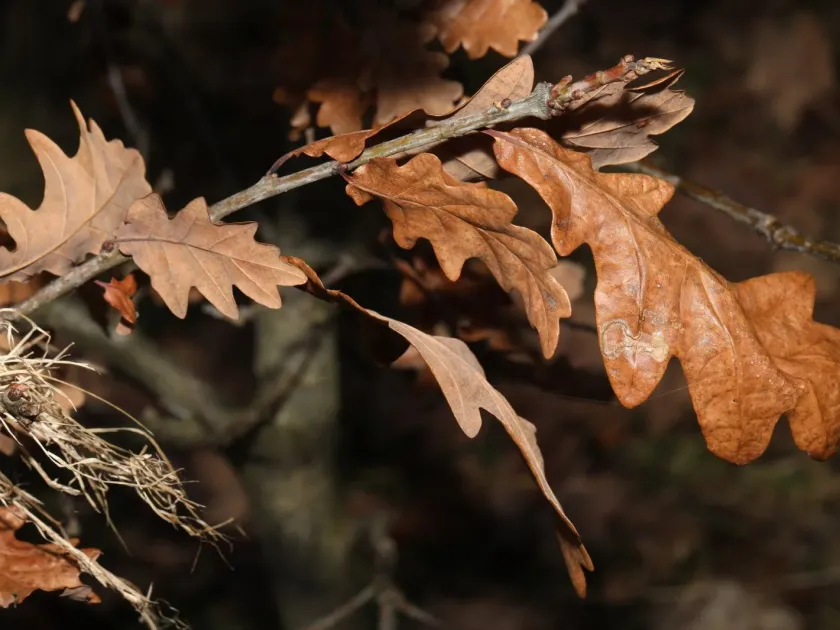
Description
Sowing dates
Sowing acorns of the Turkey oak (Quercus cerris L.) is most effective when performed in the autumn immediately after collection. This allows the seeds to undergo natural stratification in the soil, which is essential for uniform spring germination.
If spring sowing is necessary, acorns require a period of artificial stratification at temperatures between 0 and +5 degrees Celsius for approximately two to three months. It is vital to maintain adequate moisture levels to prevent the seeds from drying out or rotting during storage.
Seeds should be sown at a depth of 5 to 8 centimeters. In heavier clay-based soils, a shallower depth is recommended to facilitate the emergence of the young shoots, while in sandy soils, a deeper sowing helps protect the acorns from environmental fluctuations.
Maintaining a row spacing of 30 centimeters in nurseries ensures sufficient space for each seedling to develop a healthy root system. Proper spacing also facilitates mechanical weeding and other essential maintenance tasks during the first growing season.
Regular maintenance, including soil aeration and weed control, is critical for young Turkey oaks. Removing competing vegetation ensures that the seedlings have access to sunlight and soil nutrients, which is crucial for rapid early establishment.
Growing requirements
Turkey oak, belonging to the Fagaceae family, is a sun-loving species that thrives in full exposure to light. Proper sunlight is the primary factor driving its development, and heavy shade can significantly hinder its growth rate and overall vigor.
This species is well-known for its moderate drought tolerance, making it an excellent candidate for reforestation in regions with unpredictable rainfall. It can handle periods of summer heat better than many other oak species native to Europe.
Turkey oak is remarkably adaptable to various soil types, including limestone and rocky terrain where other hardwoods may struggle. However, the best growth performance is achieved on well-drained, deep, and nutrient-rich loam soils.
The ideal soil pH range for Turkey oak cultivation is between 5.5 and 7.5. Good drainage is essential, as waterlogged conditions in the root zone are highly detrimental and can lead to root rot and other physiological stressors.
While mature trees are cold-hardy, young saplings may be susceptible to late spring frosts. Providing adequate mulch around the base of the tree can help regulate soil temperature and protect the root system in colder climates.
Yield
In forestry, Turkey oak is highly valued for its relatively fast growth rates during the juvenile stage. This characteristic makes it a preferred species for establishing productive forest plantations that can reach canopy closure in a shorter time frame.
The timber produced by Turkey oak is dense, hard, and durable, making it suitable for construction, flooring, and furniture manufacturing. Its aesthetic grain makes it highly desirable for high-end carpentry and joinery work.
Beyond traditional timber use, Turkey oak serves as a high-quality fuel source. Its wood has an excellent calorific value, which has led to increased interest in the species for biomass energy plantations and firewood production.
Yield management requires careful thinning operations throughout the life of the stand to promote the development of the most vigorous trees. Proper forest management ensures high wood quality and optimizes the volume of final harvests.
The acorns produced by the Turkey oak also provide significant ecosystem services. They serve as a vital food resource for various wildlife species, and in some regions, they are traditionally used as forage for livestock in agroforestry systems.
Main diseases and pests
The most significant pathological threat to Turkey oak is powdery mildew, caused by fungi of the Microsphaera genus. This disease can cause leaf deformation and stunt growth, particularly in young seedlings kept in dense nursery conditions.
Insect pests, particularly leaf-eating caterpillars like the gypsy moth, can cause severe defoliation during outbreak years. Protecting the canopy from such pests is essential to maintain the trees' health and prevent long-term growth suppression.
Stem borers and various beetles pose risks to trees that are already compromised by environmental stress or injury. Integrated pest management strategies, such as sanitary thinning and removal of deadwood, are crucial to reducing pest pressure.
Root rot, often associated with Armillaria species, remains a concern in sites with poor drainage. Once established, this fungus is difficult to control, making preventive site preparation and soil management the primary defense.
Management strategies for disease and pest control include:
- Routine monitoring of stands to identify early signs of infestations.
- Strategic application of fungicides in nursery settings to prevent mildew.
- Promoting a mixed-species forest structure to improve natural resistance.
- Ensuring correct soil drainage and reducing competition from weeds.