
Upland willow oak
Quercus hemisphaerica W. Bartram ex Willd.
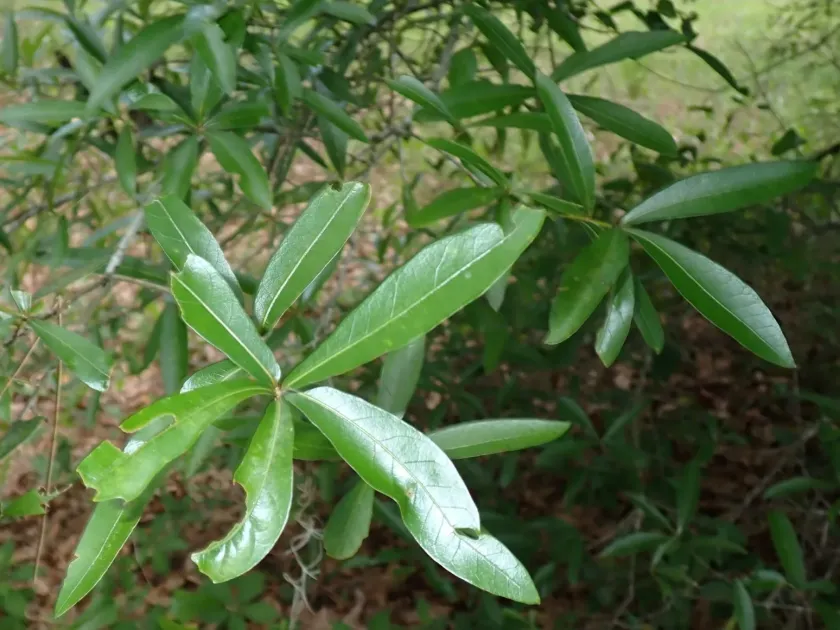
Description
Sowing dates
The propagation of the Upland willow oak is primarily achieved through acorns, which should be collected immediately upon maturity to maintain maximum viability.
Direct fall sowing is the preferred method as it facilitates natural stratification, mimicking the environmental conditions found in their native habitat.
If spring sowing is necessary, the acorns must be kept moist and cool; they are recalcitrant seeds and will lose their germination potential if allowed to dehydrate.
Seedbeds should be prepared with well-drained loamy soil to ensure optimal root development during the critical germination phase.
Spacing requirements for seedlings are vital to ensure adequate air circulation and to prevent the spread of soil-borne pathogens during the nursery stage.
Growing requirements
Quercus hemisphaerica, a member of the Fagaceae family, is a medium-sized tree known for its semi-evergreen foliage and high adaptability to upland sites.
The species prefers well-drained, acidic to neutral soils and performs significantly better in dry, sandy, or rocky terrains than many other oak species.
It exhibits a strong tolerance to heat and occasional drought, making it an excellent candidate for urban landscapes in warmer temperate to subtropical regions.
Full sun exposure is essential for the tree to maintain its characteristic dense, hemispherical crown structure and healthy leaf density.
While relatively hardy, the tree requires protection from severe, sustained freezing temperatures that could compromise its physiological health.
Main diseases and pests
The Upland willow oak is susceptible to several leaf-feeding insects, including various species of oak-leaf rollers and weevils that can impact foliage health.
Fungal pathogens such as powdery mildew can be problematic during periods of high humidity, particularly when trees are planted in sites with poor airflow.
Root rot, often caused by species of Phytophthora, can become a significant issue in poorly drained soils where water remains stagnant for extended periods.
Regular sanitation measures, including the removal of dead or infected branches, are recommended to maintain the long-term health and structural integrity of the tree.
Integrated Pest Management (IPM) strategies, which prioritize biological control and cultural practices, are the most effective ways to manage threats to this oak species.