
English oak
Quercus robur L.
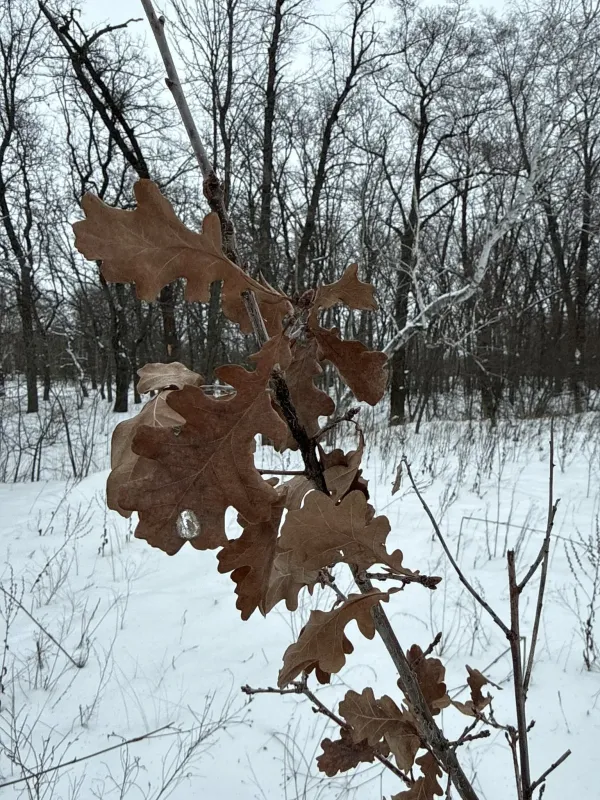
Description
Sowing dates
Sowing of English oak (Quercus robur L.) acorns is typically performed in the autumn immediately after harvesting, allowing for natural cold stratification during the winter season.
Spring sowing is an alternative if acorns are stored properly at low, stable temperatures, preventing dehydration of the embryo, which is essential for ensuring high germination rates.
Acorns should be buried at a depth of 5 to 8 centimeters, which protects the developing seeds from surface drying and reduces the risk of predation by rodents and birds.
In nursery settings, seeds are planted in rows spaced 0.7 to 1 meter apart, facilitating efficient weed control and mechanical cultivation of the emerging oak seedlings.
Regular monitoring of moisture levels during the germination phase is critical, as the oak root system needs a stable environment to establish deep taproots for initial survival.
Growing requirements
The English oak is a prominent member of the Fagaceae family and prefers deep, nutrient-rich, moist, yet well-drained loamy soils to reach its full growth potential.
While the tree is highly adaptable, it thrives in temperate climates with well-defined seasons; however, young trees are susceptible to damage from late spring frosts.
The species is known for its high light requirements, meaning that in forest management, periodic thinning is necessary to ensure that individuals receive adequate solar radiation.
English oak demonstrates moderate to high tolerance for various soil pH levels, although it performs best in neutral to slightly acidic conditions typical of established woodlands.
Adequate water supply is crucial, yet the species avoids waterlogged conditions, which can lead to root oxygen deprivation and subsequent decline in tree health.
Yield
The yield of English oak is measured by the volume of hardwood produced over a long rotation period, typically ranging from 80 to 120 years before final harvest.
Individual tree growth is most vigorous in the middle stages of life, where increment in stem diameter and height provides high-quality timber for various industrial applications.
Selective breeding for straight-stemmed varieties has significantly improved the economic output, reducing the number of defective trunks and increasing merchantable wood volume.
Acorn production cycles, known as mast years, provide essential biomass for forest regeneration and wildlife sustenance, though timber remains the primary economic objective.
Management practices aimed at reducing competition from invasive shrubs and other tree species significantly enhance the final yield and quality of the oak stand.
Main diseases and pests
Common health issues include powdery mildew, a fungal disease that targets foliage, especially in dense nurseries or young plantations with limited air circulation.
The green oak leaf roller is a primary defoliator, capable of stripping entire canopies and causing severe stress, which leaves the trees vulnerable to secondary attacks.
Root rot pathogens pose a major threat to mature forests, often resulting in widespread canopy dieback and irreversible loss of valuable hardwood timber stock.
Wood-boring insects, such as jewel beetles and longhorn beetles, are significant pests that degrade wood quality by creating galleries deep within the sapwood and heartwood.
- Powdery mildew
- Oak leaf roller
- Root rot
- Wood-boring beetles
Harvesting
Harvesting of English oak is a planned activity aligned with forest management cycles, focusing on the removal of mature trees that have reached optimal technical maturity.
Pre-harvest assessment involves systematic timber cruising to inventory the wood volume, quality, and species distribution to ensure sustainable harvesting practices are followed.
The felling process requires precise directional control to prevent damage to surrounding saplings and the forest floor, preserving the ecosystem for future regrowth.
Post-harvest log processing includes bucking for veneer, sawlogs, and industrial wood, with the highest value timber being carefully segregated for furniture and flooring markets.
Site restoration following the harvest involves clearing debris and encouraging natural regeneration or artificial planting to ensure the continuation of the forest stand.