
Quercus variabilis
Quercus variabilis Blume
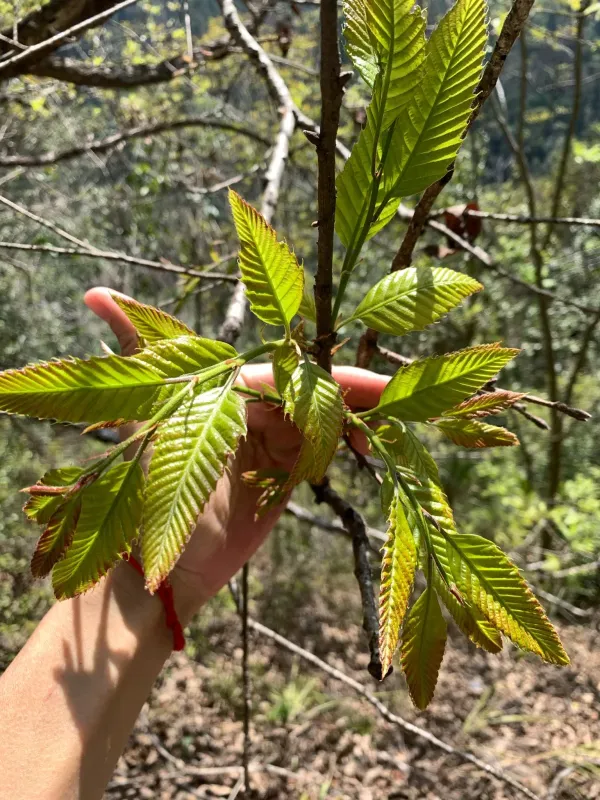
Description
Sowing dates
Sowing Quercus variabilis (Chinese cork oak) seeds should be carried out in the autumn, immediately after harvesting the acorns, as they lose viability rapidly when dried. The optimal period is late October, before the first hard frosts, allowing for natural soil stratification.
For spring sowing, seeds require prior stratification for 60 to 90 days at temperatures between 1°C and 5°C in moist sand or peat. Seeds should be planted at a depth of 5–8 centimeters to ensure proper moisture levels and protection from rodents.
Commercial nurseries often soak acorns in growth stimulants to increase germination energy. Sowing is performed in rows with inter-row spacing of 30–40 centimeters to facilitate efficient maintenance of the young seedlings.
During the first two years of life, seedlings require regular watering, especially during dry spells, and weed control to ensure they are not outcompeted. Transplanting to a permanent location is best performed with a closed root system to prevent taproot damage.
Creating partial shade for young plants is a crucial step, as Chinese cork oak seedlings are sensitive to direct midday sun. Once established, the species becomes highly resilient to most environmental factors.
Growing requirements
Quercus variabilis belongs to the Fagaceae family and is native to China, Korea, and Japan. The plant thrives in moderately moist, fertile loamy soils with good drainage and a soil pH ranging from slightly acidic to neutral.
This species is relatively warmth-loving; therefore, it is advisable to choose planting sites protected from harsh northern winds. While mature trees can withstand short-term temperature drops, young shoots are prone to frost damage in severe winters.
Light availability is a critical factor: the Chinese cork oak is a sun-loving species that requires full exposure to sunlight to develop a dense and broad crown. Dense planting leads to etiolation of the trunks and reduced overall tree health.
While moisture needs are moderate, the tree does not tolerate stagnant water, which can lead to root rot. In areas with high rainfall, the installation of a surface or deep drainage system is mandatory for successful cultivation.
Standard care involves regular loosening of the soil around the base and mulching with organic materials to retain moisture and regulate soil temperature. Fertilizer application is recommended only during the first few years to boost biomass production.
Main diseases and pests
The main pests for Quercus variabilis include leaf-eating insects, such as gypsy moth larvae, which can lead to complete defoliation. Systemic insecticides applied during the peak flight of moths are effective for control.
The tree is frequently affected by powdery mildew, especially under high humidity and poor air circulation within the canopy. Copper or sulfur-based fungicides should be applied at the first sign of fungal infection.
Root rot represents a serious threat to trees planted in heavy, poorly drained soils. Prevention relies on strict watering regime control and avoiding mechanical injury to the root system during soil preparation.
In forest stands, the species can suffer from wood-boring pests, such as longhorn beetles. Timely sanitary thinning and the removal of affected trees are essential practices for managing insect populations.
Overall weakening due to adverse environmental conditions makes the tree susceptible to bacterial bark cancers. Maintaining high-quality silvicultural practices and pruning dead branches promptly help maintain the long-term health of the stand.
Harvesting
The primary value of Quercus variabilis lies in its unique cork bark, which begins to form on trunks when the tree reaches 15–20 years of age. Harvesting the cork requires specific expertise to avoid damaging the cambium or the tree's vital tissues.
Commercial harvesting is performed in cycles, typically every 8–10 years, allowing the tree to fully regenerate its protective layer. The quality of the cork depends on the growth conditions and the age of the tree.
The wood of the Chinese cork oak is characterized by high density, hardness, and durability, making it a sought-after material in carpentry and construction. Harvested timber requires extended air-drying before processing.
Acorns can be used in agriculture as a feed supplement for poultry and livestock after processing to remove tannins. Seeds are gathered manually once they fall naturally from the trees.
The culture is also used in landscaping for its decorative leaves and the distinctive texture of its bark. With proper management, the tree can provide a stable and sustainable yield of resources for many decades.