
Persian oak
Quercus macranthera Fisch. & C. A. Mey. ex Hohen.
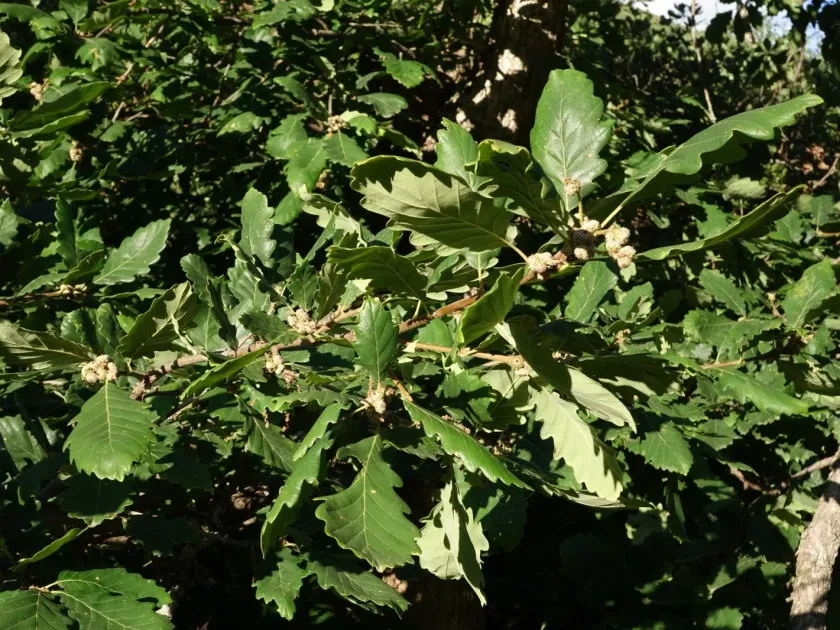
Description
Growing requirements
Quercus macranthera, commonly known as the Persian oak, is a deciduous tree belonging to the Fagaceae family. It is native to the high-altitude forests of the Caucasus, Iran, and Turkey.
This species is highly valued for its slow growth rate, longevity, and impressive aesthetic appearance. Its distinctive foliage and sturdy structure make it an excellent choice for parks and arboretums.
The tree requires well-drained, fertile soil to achieve optimal health. It is known to tolerate rocky and shallow soils better than many other oak species, reflecting its mountain origin.
Regarding climate, Persian oak is exceptionally cold-hardy and can withstand harsh winter conditions. It performs best in locations with full sun exposure, which ensures the development of a dense canopy.
Cultural practices should focus on mulching around the base of young trees to conserve moisture and suppress weeds. Proper pruning is essential during the early years to encourage a single, strong trunk.
Main diseases and pests
Common threats to this species include fungal infections such as powdery mildew, especially in regions with high humidity and poor air circulation.
Insects like leaf miners and various types of defoliating caterpillars can damage the foliage. Monitoring programs should be implemented in nurseries to manage these pest populations effectively.
Soil compaction and poor drainage are significant non-biological stressors. These conditions can lead to root asphyxiation, significantly weakening the tree over time.
In some regions, oak gall wasps can cause localized damage. While rarely lethal to mature trees, they can detract from the visual appeal and cause abnormal growth patterns.
Integrated pest management is recommended, focusing on maintaining tree vigor through adequate nutrient supply and timely water management during establishment.