
Kellogg oak
Quercus kelloggii Newb.
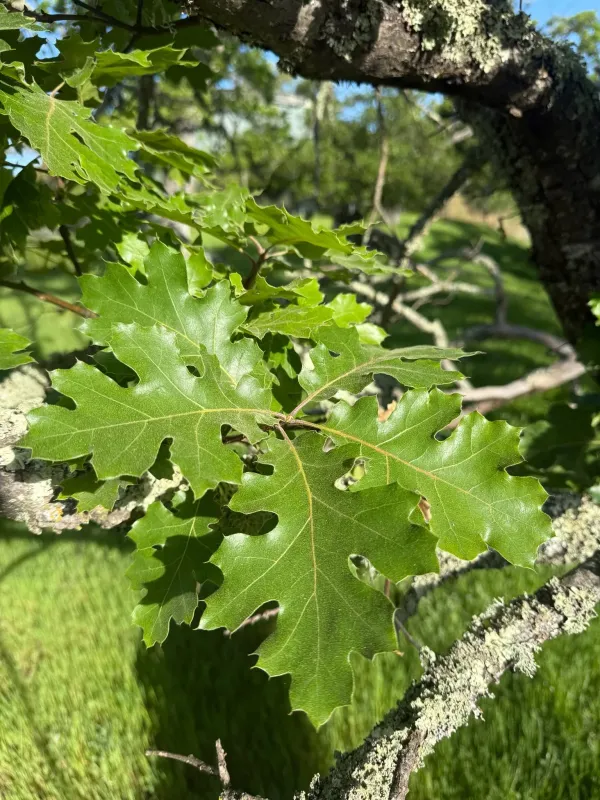
Description
Sowing dates
Propagation of the Kellogg oak is primarily achieved through seeds, as the tree produces large, nutrient-dense acorns suitable for germination. Sowing is recommended in the fall immediately after harvesting to ensure the seeds undergo natural stratification in the soil during winter.
For spring sowing, acorns require pre-chilling through cold stratification at temperatures between 0 and +5 degrees Celsius for several months. Maintaining consistent substrate moisture is critical to prevent the embryo from drying out and losing its viability.
Transplanting seedlings to their permanent location is best performed in early spring before the start of sap flow or in autumn during leaf fall. This timing allows the root system to adapt to the new environment before extreme temperatures occur.
Successful establishment requires avoiding damage to the taproot, which develops intensively in young trees. When transplanting, it is advisable to use container-grown plants with a protected root ball, which significantly increases the survival rate of the culture.
Planting density depends on the intended purpose: for reforestation, sparse patterns are used, whereas for ornamental purposes, the trees are planted individually or in small groups with an interval of at least 5–7 meters.
Growing requirements
The Kellogg oak belongs to the Fagaceae family and is native to the western part of North America, particularly California and Oregon. This species prefers climate zones with distinct dry summers and wet winters, demonstrating moderate frost resistance.
The culture has specific soil requirements: well-drained, loamy, or rocky soils with an acidic to neutral pH are optimal. The oak does not tolerate heavy, waterlogged clay soils where water stagnation occurs.
The plant is light-demanding, so it requires sufficient sunlight in the early stages of development to form a strong trunk and a healthy crown. Growth slows significantly in shaded conditions, which can lead to stem deformation.
Drought tolerance is a key characteristic of this species, making it a promising option for cultivation in regions with limited natural moisture. Mature trees can survive long periods without precipitation due to their deep and extensive root systems.
Agrotechnology includes regular weeding around the base of the trees during the first years of life, as well as mulching to preserve soil moisture and suppress weed growth. Fertilization is generally only necessary on depleted soils during the early growth stages.
Yield
The economic value of the Kellogg oak is multifaceted, with its wood being the primary asset. It is characterized by high density, strength, and an attractive texture, making it a sought-after raw material in the furniture industry.
The acorns of this species are a valuable food source for local wildlife. They are actively consumed by squirrels, deer, and birds, making the tree an essential component of local forest ecosystems and hunting grounds.
In ornamental landscaping, this culture is valued for its spreading canopy and beautiful foliage, which changes color in the autumn. It is often used in urban greening and park design in regions with suitable climates.
Historically, indigenous peoples used these acorns as a food source after processing them to remove tannins. Modern research is exploring the potential of utilizing the wood biomass for biofuel production.
Acorn production is periodic, similar to most oak species, which is an important factor to consider when planning forest restoration efforts and supporting local fauna populations.
Main diseases and pests
The primary biological threat to this species is Sudden Oak Death, caused by the pathogen Phytophthora ramorum. This disease leads to massive tree dieback and represents a serious challenge for forestry management.
The tree is also susceptible to various types of root rot, which develop if irrigation practices are poor or if water remains stagnant in the soil. Timely site drainage is the primary preventive measure.
Among insect pests, leaf rollers and oak weevils are notable for their potential to damage leaves and fruit. Massive infestations can weaken the tree, making it vulnerable to secondary infections.
Parasitic plants, such as mistletoe, can colonize the crowns of old oaks, gradually depleting their vital resources. Regular sanitary pruning helps minimize the risk of infestation.
- Monitoring crown health for early signs of wilting or decline.
- Removing dead or diseased branches through sanitary pruning.
- Applying fungicides when localized fungal infections occur.