
Bur oak
Quercus macrocarpa Michx.
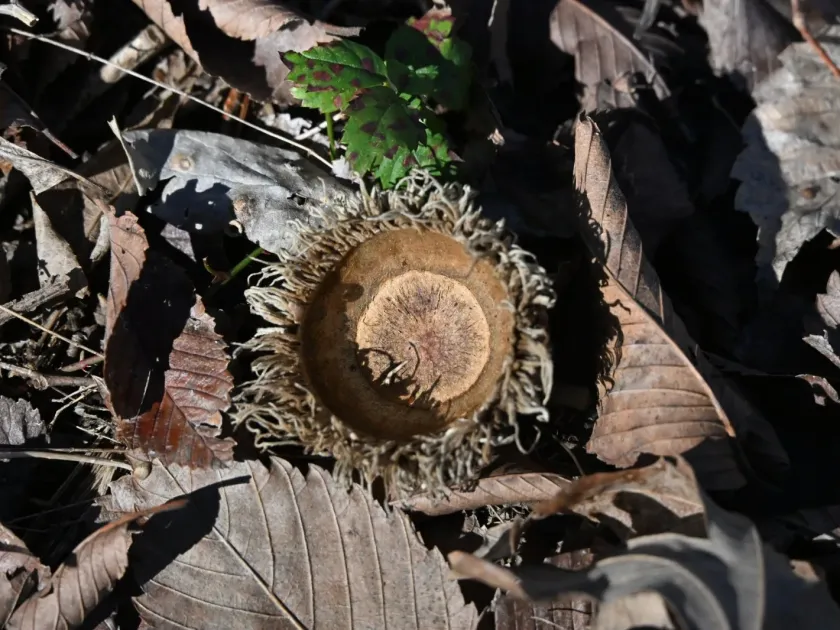
Description
Sowing dates
Planting Bur oak (Quercus macrocarpa) acorns should ideally occur in the autumn immediately after collection. This practice mimics natural cycles and prevents the seeds from drying out, which is vital for maintaining their viability.
If spring planting is necessary, acorns must be kept in cold, moist stratification at temperatures around 1–3 degrees Celsius. Drying out is the primary cause of germination failure in this species.
The planting depth should be approximately 5 to 8 centimeters. Ensuring the soil has adequate moisture around the acorn during the planting phase is essential for successful germination.
In nursery settings, container-grown seedlings are preferred to avoid disturbing the sensitive taproot. This method significantly increases the success rate when transplanting into permanent sites.
Spacing strategies are critical; in forest production, sufficient density helps promote the development of tall, straight trunks, minimizing lateral branching in the early years.
Growing requirements
The Bur oak is a member of the Fagaceae family, highly regarded for its adaptability and hardiness. It thrives in various soil types, ranging from heavy clays to rocky limestone outcrops, demonstrating exceptional ecological plasticity.
As a light-demanding species, the Bur oak requires full sun exposure to maintain its characteristic massive crown structure. Growth rates significantly decline in shaded environments.
This species is well-known for its drought tolerance, a trait attributed to its deep-reaching root system. Once established, it can endure prolonged dry spells that would damage more sensitive hardwood species.
Bur oaks are highly cold-hardy, naturally distributed across regions with significant seasonal temperature fluctuations. They are well-suited for temperate climate forestry.
While tolerant of various soils, the tree performs best in well-drained conditions. Waterlogged sites should be avoided to prevent root diseases and ensure healthy long-term growth.
Yield
The economic value of Bur oak lies primarily in its dense, durable, and rot-resistant wood. It is extensively used for high-quality furniture, construction, and cabinetry.
Seed production typically begins when the tree is 20 to 30 years old. Like many oaks, it exhibits masting behavior, producing heavy crops of acorns every few years rather than annually.
In landscape design, the Bur oak is prized for its longevity and aesthetic appeal. These trees can live for several centuries, providing shade and wind protection for many generations.
Agroforestry applications include using these trees as shelterbelts, which mitigate wind erosion and improve crop yields on adjacent agricultural land by modifying local microclimates.
The species also plays a significant role in forest ecology, providing a critical food source for wildlife, which is a key component of sustainable forest management practices.
Main diseases and pests
Powdery mildew is a common fungal pathogen that affects the leaves of Bur oak, particularly during humid seasons. Standard fungicide treatments are usually effective in protecting young stands.
Root rot, caused by various soil-borne pathogens, can be an issue if drainage is poor. Selecting well-drained planting sites is the most effective preventative measure against this threat.
Insect pests such as the oak leafroller and various gall wasps can impact leaf health and overall growth vigor. Integrated pest management (IPM) is recommended for larger plantations.
Acorn damage from weevils can significantly impact seed viability. Proper seed storage and periodic inspections are necessary for effective reforestation efforts.
- Pruning dead or diseased branches to maintain overall tree health and air circulation.
- Monitoring for bark beetles in stressed trees during prolonged drought periods.
- Maintaining diverse stand structures to naturally limit the spread of species-specific pests.