
Swamp chestnut oak
Quercus michauxii Nutt.
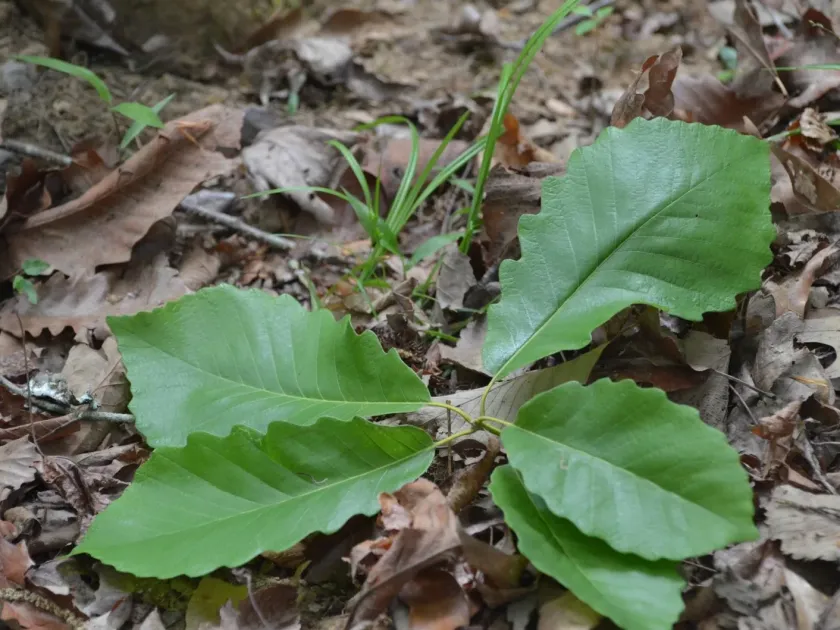
Description
Sowing dates
The acorns of the swamp chestnut oak should be sown in the autumn immediately after harvesting to ensure proper natural stratification in the soil.
In forest nurseries, spring sowing can be performed using pre-stratified seeds, with a planting depth of approximately 3 to 5 centimeters.
It is critical to note that these acorns lose viability very quickly if allowed to dry out, so immediate storage in moist conditions is mandatory.
Protection against rodents is essential during the initial planting phase, often achieved by using wire mesh covers over the seeding spots.
Consistent soil moisture must be maintained throughout the germination period, as seedlings are highly susceptible to drought stress in their first year.
Growing requirements
Swamp chestnut oak (Quercus michauxii) belongs to the Fagaceae family and is native to the southeastern United States, primarily inhabiting river floodplains.
The species thrives in deep, fertile, moist, and well-drained alluvial soils that provide sufficient nutrients for rapid growth.
This oak exhibits a remarkable tolerance for periodic inundation, making it an excellent candidate for reforesting lowland areas with high water tables.
It prefers a temperate to subtropical climate with reliable rainfall throughout the growing season to reach its full development potential.
While somewhat shade-tolerant during its seedling stage, the tree requires full sun exposure to develop a robust canopy and maintain high vigor.
Yield
The primary value of the swamp chestnut oak lies in its high-quality hardwood timber, which is highly sought after for industrial use.
Its wood is exceptionally strong, durable, and resistant to decay, making it suitable for furniture, flooring, and various construction applications.
The production of acorns is cyclical, with heavy mast years occurring at intervals of three to five years depending on environmental conditions.
In well-managed stands, the trees can reach harvestable size within 60 to 80 years, providing a steady yield of valuable sawlogs.
Beyond timber, the species contributes significantly to local biodiversity by serving as a major food source for wildlife populations.
Main diseases and pests
Fungal diseases, such as anthracnose, pose a significant risk to leaves and tender shoots, especially during periods of high humidity and rainfall.
The bark of mature trees may be susceptible to wood-boring insects, including various species of metallic wood-boring beetles that weaken the tree.
Root rot infections can occur if soil aeration is compromised or if water becomes stagnant, leading to physiological decline of the root system.
Weevils are a common pest that impacts the reproductive success of the tree by damaging a high percentage of the developing acorns.
Effective forest management practices, including thinning and monitoring, are required to maintain the health and resilience of swamp chestnut oak stands.