
Algerian oak
Quercus canariensis Willd.
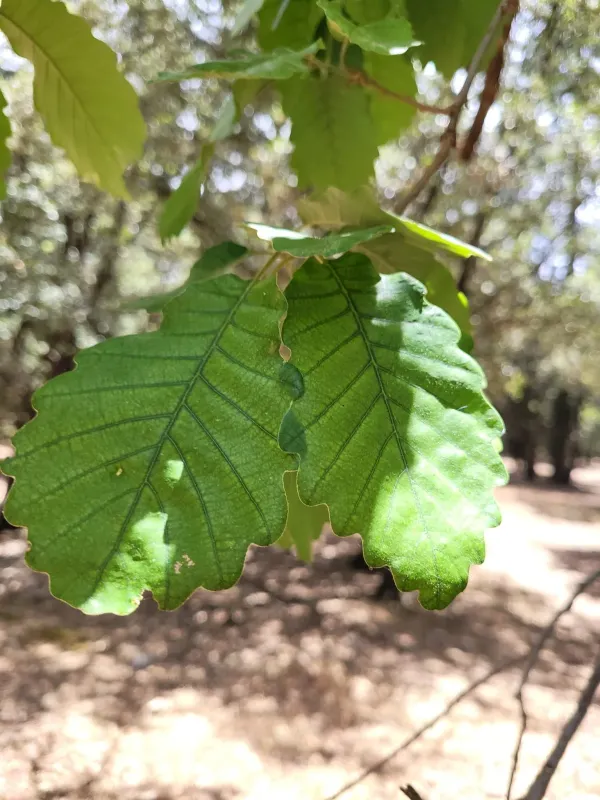
Description
Growing requirements
The Algerian oak (Quercus canariensis), belonging to the Fagaceae family, is a semi-evergreen species reaching heights of up to 30 meters. Despite its common name, it is native to the Mediterranean regions of North Africa and the southern Iberian Peninsula.
This species thrives in deep, fertile soils with neutral to slightly acidic pH levels. Unlike many other oak species, it possesses a notable tolerance for moist, heavy soils, making it an excellent choice for regions with higher rainfall or water retention.
Climatically, it requires a mild, Mediterranean environment. It is not fully frost-hardy and can be damaged by severe winters, so choosing an appropriate planting site protected from harsh, drying winds is essential for its long-term health and vitality.
The tree exhibits a relatively fast growth rate, especially during its juvenile stage. Its large, leathery, lobed leaves and broad crown provide excellent shade and visual appeal, leading to its popularity in parks and botanical gardens.
In terms of economic use, Quercus canariensis is valued for its high-quality hardwood. It is also used in reforestation projects aimed at restoring native Mediterranean woodlands and preventing soil erosion in slope areas.
Main diseases and pests
Powdery mildew is a prevalent fungal disease affecting Algerian oak, especially in areas with poor air circulation. It manifests as a white, dusty layer on leaves, hindering photosynthesis and overall development.
Root rot caused by Phytophthora species is a critical threat, particularly in poorly drained soils. Once established, this pathogen can lead to rapid decline and mortality of the tree, making site selection crucial.
Insect pests, including various oak-feeding lepidopterans and wood-boring beetles (such as Buprestidae), represent a significant risk. These pests can weaken the structure of the tree and create entry points for secondary pathogens.
Integrated pest management, including regular monitoring and the use of targeted biological or chemical treatments, is recommended to manage populations of defoliating insects during the spring flush.
Maintenance practices like regular pruning of dead or diseased wood are vital. Proper hygiene in the garden or forest stand significantly reduces the likelihood of fungal spores spreading from season to season.