
Shorea trapezifolia
Shorea trapezifolia
Description
Growing requirements
Shorea trapezifolia is a prominent member of the Dipterocarpaceae family. Native to the tropical rainforests of Sri Lanka, this tree species plays a vital role in maintaining the structure and biodiversity of evergreen forest ecosystems.
This culture thrives in high-humidity tropical climates where rainfall is abundant throughout the year. It requires a stable ambient temperature and protection from extreme thermal fluctuations, which could inhibit its physiological development.
The species prefers deep, nutrient-rich soils that possess excellent drainage capabilities. While it exhibits some tolerance to varied substrates, long-term waterlogging in poorly aerated soils can negatively affect the tree's overall vigor and root health.
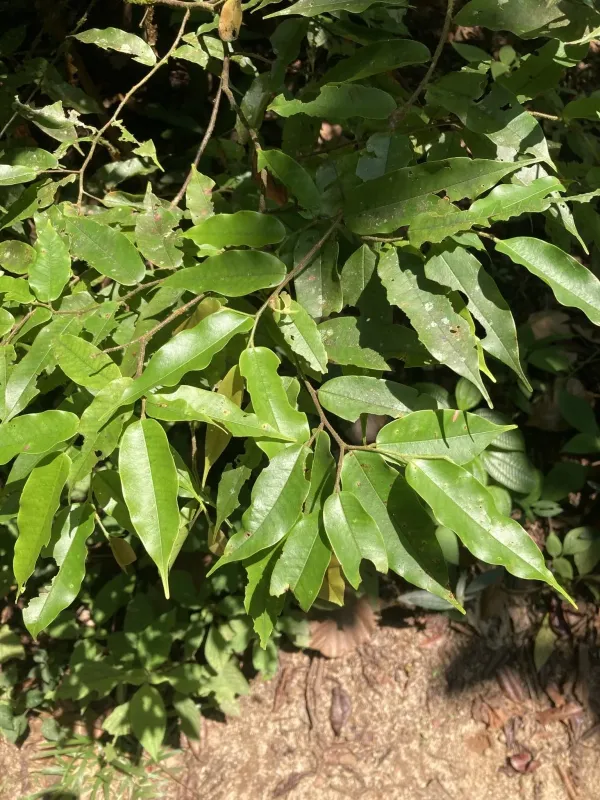
Botanically, the tree is recognized by its distinctively shaped foliage and its ability to achieve significant height, forming the upper canopy of the forest. Its structural growth is slow and steady, reflecting its status as a climax vegetation species.
Economically, the timber derived from this species is highly valued for its durability and structural strength. It is frequently employed in high-quality furniture making, heavy-duty construction, and architectural projects that require resilient wood.
Main diseases and pests
Habitat loss due to large-scale deforestation remains the primary threat to the long-term survival of Shorea trapezifolia. The removal of large tracts of tropical forest disrupts the ecological balance and hinders natural regeneration.
Fungal diseases affecting the root and collar regions are common in areas with stagnant groundwater. These pathogens can compromise the structural integrity of the tree, making it susceptible to windthrow and secondary infestations.
Insects such as wood-boring beetles present a consistent risk to the commercial viability of the timber. Their larvae bore into the sapwood and heartwood, creating galleries that significantly reduce the quality of the harvested logs.
Effective management involves maintaining forest hygiene and performing regular monitoring of stand density to ensure adequate airflow. This prevents the rapid proliferation of pathogens and encourages the growth of more resilient individual trees.
Climate change poses a complex threat by altering rainfall patterns and introducing periods of drought, which stress the plants. Stressed trees are less effective at fighting off parasitic plants and epiphytic growth, which can eventually overwhelm the canopy.