
Shorea teysmanniana
Shorea teysmanniana
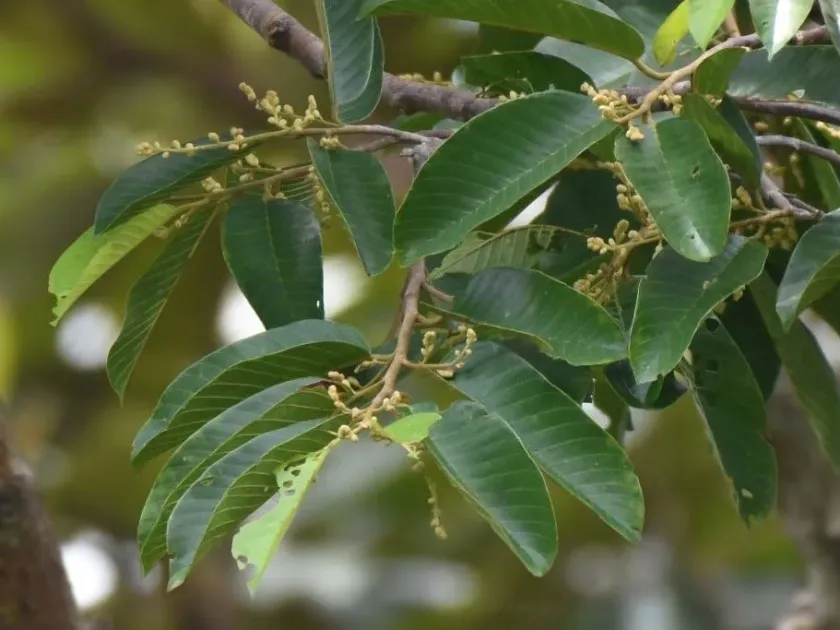
Description
Growing requirements
Shorea teysmanniana is a prominent tree species belonging to the Dipterocarpaceae family. It is natively found in the tropical rainforests of Southeast Asia, particularly thriving within the unique and challenging environment of peat swamp forests.
The tree requires a specific climatic profile characterized by high annual rainfall and consistently warm tropical temperatures. It does not tolerate prolonged dry periods, as it has adapted to constant moisture availability.
Soil requirements are quite strict, favoring acidic, nutrient-rich peat soils common to swamp ecosystems. The root system has evolved special adaptations to handle waterlogged conditions, allowing the species to maintain stability in semi-aquatic substrates.
In its natural habitat, Shorea teysmanniana can grow to an impressive height of 50 meters, developing a straight bole and a robust canopy structure. It is an essential component of the forest architecture, contributing to the biodiversity of the region.
Currently, the species faces a high risk of extinction due to the rapid conversion of peat swamp forests into agricultural land, primarily for palm oil production, which necessitates the drainage of its native habitat.
Yield
Historically, Shorea teysmanniana has been a significant source of timber, categorized under the commercial trade name of meranti. The wood is valued for its versatility, aesthetic appeal, and suitability for various structural applications.
The timber exhibits moderate density and good workability, making it a preferred material for high-quality furniture, flooring, and decorative interior woodwork.
Due to widespread deforestation and the slow growth rate of these trees, commercial logging is now heavily restricted by international conservation laws to prevent the total loss of wild populations.
While historically used for plywood production and construction, the modern focus is shifting towards sustainable forest management and the preservation of standing timber for ecosystem services.
Cultivating this species for forestry purposes is a challenging endeavor because it requires maintaining the pristine hydrological conditions of peat lands, which are difficult to replicate in plantation environments.
Main diseases and pests
The most severe threat to the species is the large-scale drainage of peatlands for agricultural expansion. This process destroys the delicate soil structure required for the tree to survive.
Forest fires, which are increasingly common in drained peat areas, cause catastrophic damage to both mature trees and juvenile saplings, effectively preventing natural regeneration of the species.
Biological threats include various seed-boring insects and pests that significantly impact the survival rate of seeds, thereby limiting the natural expansion of the forest stands.
Fungal infections also pose a significant risk, particularly when trees are weakened by environmental degradation, leading to stem decay and increased susceptibility to windthrow.
Climate change, manifesting as altered precipitation patterns, further destabilizes the survival of Shorea teysmanniana by creating physiological stress that lowers the resilience of the tree population.