
Shorea sumatrana
Shorea sumatrana
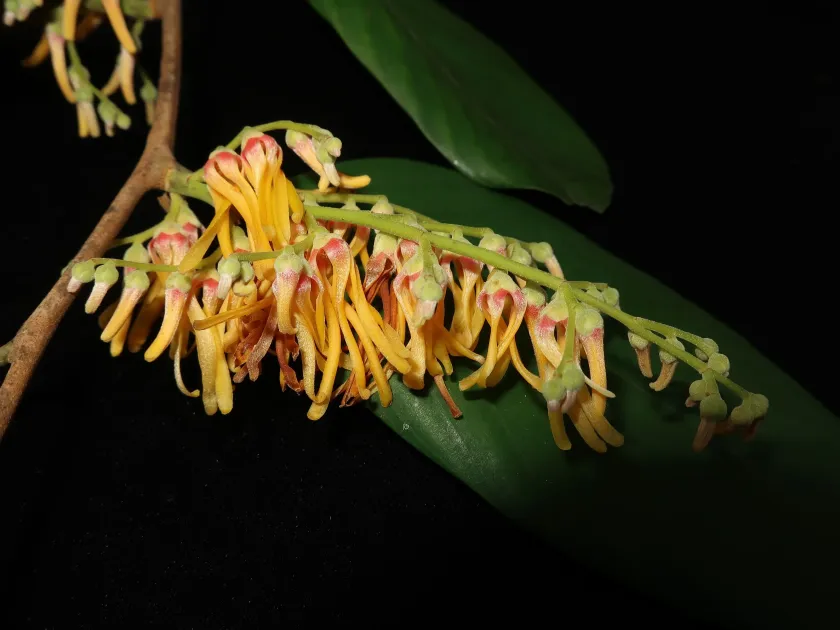
Description
Growing requirements
Shorea sumatrana is a significant tree species belonging to the Dipterocarpaceae family. It is a large evergreen tree native to the tropical rainforests of Southeast Asia, specifically found in Sumatra and the Malay Peninsula.
The tree requires a warm, humid, tropical climate to thrive, characterized by high annual precipitation. It is best adapted to deep, fertile, and well-drained soils found in lowland and hill forests within its natural range.
In terms of cultivation, the species is sensitive to extreme environmental changes. Seedlings require partial shade to establish properly, as exposure to intense tropical sun can negatively affect their growth during the initial years of development.
Soil management is crucial for the healthy development of Shorea plantations. A sufficient layer of organic matter is needed, and the site must be monitored to ensure it does not become waterlogged or suffer from excessive soil compaction.
The botanical characteristics include a strong, straight trunk and a dense canopy. The tree plays a vital role in maintaining forest structure and provides habitat for numerous organisms within its natural biome.
Harvesting
Shorea sumatrana is highly regarded in the global timber market as a source of high-quality hardwood. Its wood is categorized under the commercial trade names associated with heavy hardwood and is valued for its durability.
The wood is dense, hard, and naturally resistant to fungal decay and insect attacks, making it an excellent material for structural construction, heavy-duty flooring, and marine environments.
Harvesting operations must follow sustainable guidelines to ensure the longevity of the species. Selective logging is the preferred method to maintain the ecological balance while ensuring a supply of valuable timber for furniture and construction.
The tree is also traditionally harvested for its resin, which has been used for generations by indigenous communities. This resin serves various purposes, acting as a natural glue or a sealant in traditional craftsmanship.
Advancements in timber processing have increased the overall yield from each harvested tree. By efficiently utilizing different parts of the timber, the industry contributes to the economic development of regions that cultivate this species.