
Shorea smithiana
Shorea smithiana
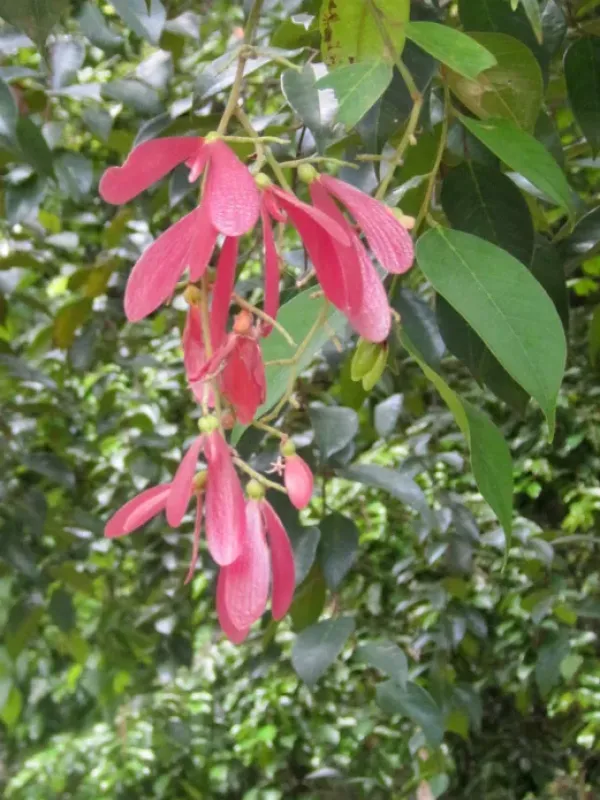
Description
Growing requirements
Shorea smithiana is a majestic tropical tree species belonging to the Dipterocarpaceae family, naturally occurring in the dense rainforests of Borneo.
The tree thrives in lowland habitats, specifically favoring alluvial soils that provide both rich nutrients and sufficient drainage for its expansive root system.
Regarding climatic requirements, this species demands a consistent equatorial climate, characterized by high humidity levels and year-round elevated temperatures.
As a forest-dwelling species, it exhibits shade tolerance during its juvenile stage, gradually requiring more direct sunlight as it grows into the upper canopy layer.
Soil management for this species is focused on maintaining high soil quality and ensuring that the land is protected from erosion caused by heavy tropical rainfall.
Yield
The economic significance of Shorea smithiana lies in its high-quality timber, which is highly sought after in the global market under the trade name of light red meranti.
This wood is highly valued for its moderate density, excellent machining properties, and its ability to take various types of finishes, including stains and varnishes.
Common applications include high-end furniture manufacturing, indoor joinery, architectural moldings, and the production of plywood or veneer for decorative use.
Due to its durability and aesthetic appeal, the timber is a staple in the luxury interior design sector, offering a sustainable alternative when sourced from certified plantations.
Sustainable harvesting is a priority, as industrial demand for tropical hardwoods continues to grow, necessitating strategic reforestation efforts in its native range.
Main diseases and pests
The primary threats to Shorea smithiana include fungal infections that exploit humid conditions and cause structural damage to the stems of younger trees.
Pest outbreaks, particularly those targeting the seeds and seedlings, pose a major risk to natural regeneration and can hinder reforestation success in damaged areas.
Habitat loss and fragmentation, primarily driven by land-use changes, significantly reduce the viable population density of this tropical species.
Climatic variability, such as prolonged droughts or extreme flooding events, can interfere with the tree's reproductive cycle and overall vigor.
Forest management strategies now focus on integrated pest management and protecting sensitive forest corridors to ensure the species' survival and continued yield.