
Shorea singkawang
Shorea singkawang
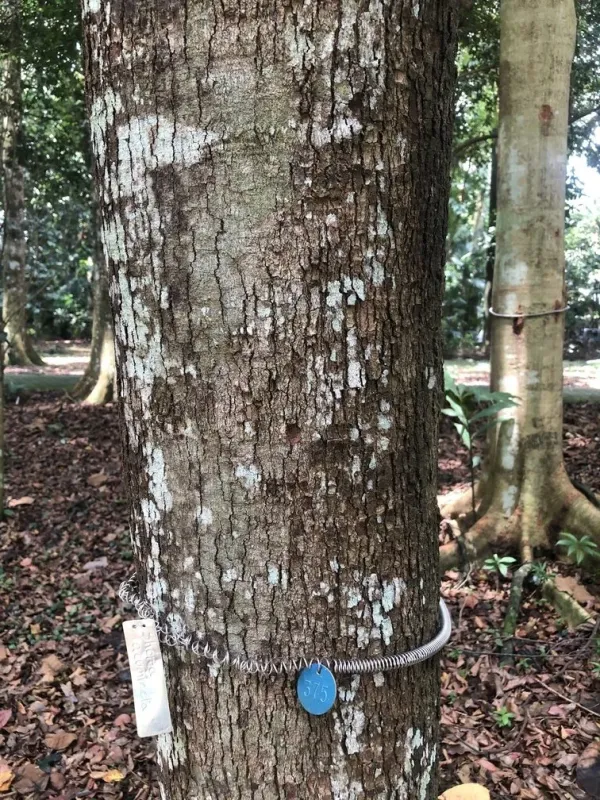
Description
Growing requirements
Shorea singkawang is a majestic tropical tree species belonging to the Dipterocarpaceae family. It is native to the humid rainforests of Southeast Asia, specifically thriving in the Indonesian archipelago regions where tropical conditions persist throughout the year.
The tree requires a specific set of environmental conditions to thrive, primarily high levels of humidity and stable warm temperatures. It is not tolerant of frost or prolonged dry spells, making it exclusively a tropical crop that demands a year-round moisture-rich habitat.
Regarding soil preferences, it favors deep, nutrient-rich soils that possess excellent drainage qualities. While the species is accustomed to rainfall, it does not perform well in waterlogged soil conditions, which can lead to root system decay and poor plant development.
During the sapling phase, Shorea singkawang is highly shade-tolerant and requires protection from direct sunlight. Forest managers typically utilize nurse trees or existing canopy cover to facilitate the healthy establishment of young specimens in both natural and managed settings.
The growth rate of this species is relatively slow, which is characteristic of many dipterocarps. This biological trait necessitates long-term management strategies if the species is to be used for sustainable timber production in managed forestry systems.
Harvesting
The primary economic application of Shorea singkawang is the production of high-quality timber, often marketed as a variety of "meranti." This wood is prized for its uniform texture, durability, and excellent workability, making it a favorite for woodworkers.
It is extensively used in the manufacturing of high-end furniture, cabinetry, and internal architectural elements. The wood's structural integrity allows for long-term use in interior design, providing both aesthetic appeal and functional stability.
In addition to timber, members of the genus Shorea are known for producing oily seeds. These seeds contain fat content that can be extracted for use in various industrial applications, including the production of specialized fats for the food and cosmetic industries.
Sustainable harvesting practices are essential to ensure the longevity of the species. Selective logging and the establishment of dedicated plantations are the standard methods used to balance the demand for timber with the necessity of ecosystem conservation.
The cultivation of this species plays a vital role in restoring degraded forest landscapes. By integrating Shorea singkawang into agroforestry projects, landowners can promote biodiversity while simultaneously investing in a valuable, renewable natural resource.