
Shorea seminis
Shorea seminis
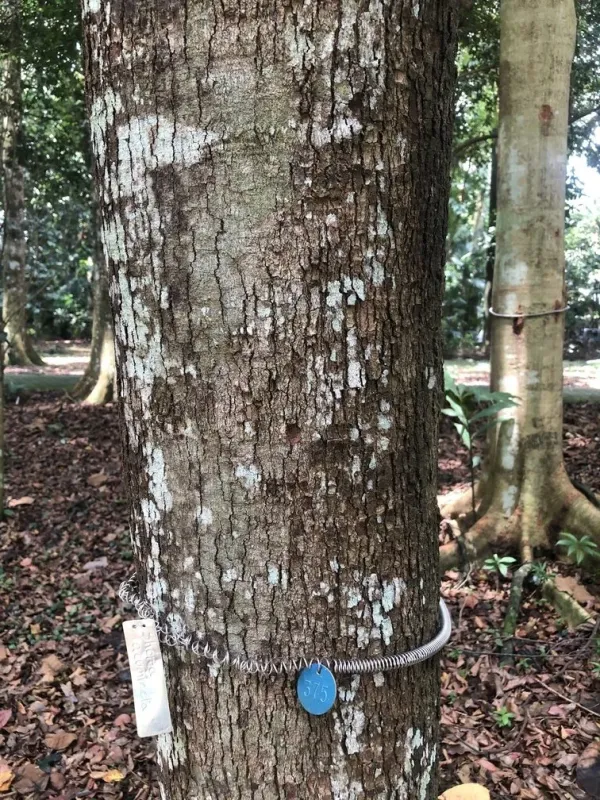
Description
Growing requirements
Shorea seminis is a prominent member of the Dipterocarpaceae family, known for its significant role in the structure of lowland rainforests in Southeast Asia, particularly in Borneo.
The plant thrives in equatorial climates characterized by high annual precipitation and consistent temperatures, avoiding any exposure to frost or prolonged dry spells that could hinder its metabolism.
Requirements for soil quality include deep, well-drained, and nutrient-rich substrates. The tree prefers soils with high organic matter content, mimicking the natural conditions of a tropical forest floor.
Successful cultivation requires careful management of shade levels during the seedling stage. Young trees are sensitive to intense direct sunlight and require partial shelter until they establish a robust root system.
Botanically, the tree is recognized by its evergreen foliage and winged seeds, which facilitate dispersal by wind. The species is highly valued for producing dense, durable timber used in heavy construction.
Main diseases and pests
Fungal pathogens represent the primary biological threat to Shorea seminis, especially in dense plantations where poor air circulation increases the risk of foliar and stem infections.
Pests such as stem-boring insects are significant threats, capable of tunneling through the wood and causing severe damage to the tree's internal structure and overall health.
Root rot, often caused by stagnant water or poor drainage, poses a persistent threat. Managing hydrological conditions is essential to protect the integrity of the root system.
Invasive vines and weeds compete for nutrients and light, posing a major challenge to the establishment of young stands and requiring consistent weeding practices.
Integrated pest management strategies are vital for maintaining the health of the stands, focusing on prevention, regular monitoring, and the use of targeted biological controls where necessary.