
Shorea selanica
Shorea selanica
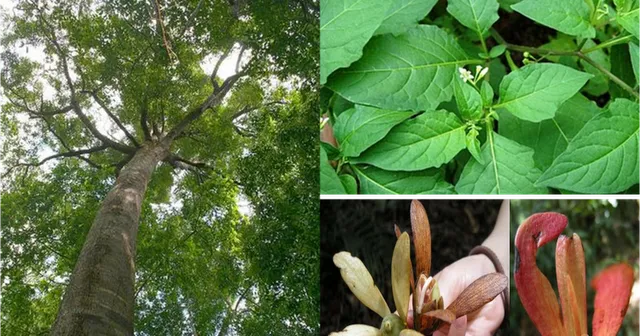
Description
Growing requirements
Shorea selanica is a large evergreen tree species belonging to the Dipterocarpaceae family. It is native to the tropical rainforests of Indonesia, specifically known for its presence in the Moluccas, where it thrives in high-humidity environments.
The tree requires deep, fertile, and well-drained soils to prosper. It is sensitive to soil compaction and waterlogging, making proper land selection critical for successful plantation management in tropical forestry.
As a light-demanding species in its later growth stages, Shorea selanica requires significant canopy gaps or managed clearance to maximize photosynthetic efficiency and structural development.
Biologically, the tree features a straight, cylindrical trunk often supported by buttress roots, which provide stability in the thin, nutrient-rich soils of the tropical forest floor.
Economically, this species is highly prized for its timber, commonly marketed as a type of dark red meranti. The wood is utilized for its durability, workability, and appealing grain in furniture production, interior paneling, and heavy-duty construction projects.
Main diseases and pests
The primary biological threats include seed-boring insects, which significantly impact the viability of natural regeneration and seed bank storage efforts.
Fungal pathogens associated with damp environments can compromise the root systems of saplings, particularly if planted in areas with insufficient drainage.
Environmental degradation, including deforestation and habitat fragmentation, remains the most significant threat to the long-term survival of wild populations.
Climate instability, manifesting as prolonged drought periods, hampers the growth rates and overall health of the forest stands.
Invasive plant species can outcompete young seedlings, limiting their access to sunlight and soil nutrients during the critical establishment phase.