
Shorea scrobiculata
Shorea scrobiculata
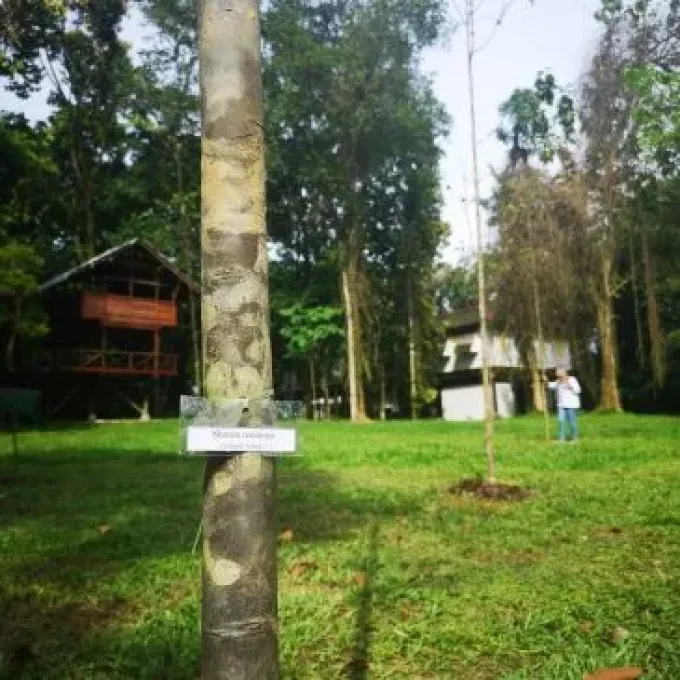
Description
Growing requirements
Shorea scrobiculata is a significant species belonging to the Dipterocarpaceae family, native to the lush tropical rainforests of Southeast Asia. These trees are essential components of the primary forest canopy, providing structural complexity to the habitat.
The culture thrives in environments characterized by high annual precipitation and consistently warm temperatures. A tropical climate without significant seasonal stress is fundamental for the physiological processes and survival of this species.
Regarding soil requirements, the species performs best on well-drained, nutrient-rich substrates typical of alluvial valleys. Excessive soil moisture or stagnant water conditions must be avoided to prevent root diseases and ensure vigorous growth.
In terms of light, Shorea scrobiculata acts as an emergent or canopy species, requiring high light intensity once the tree reaches a mature stage. During the initial growth phases, saplings demonstrate adaptation to semi-shaded understory environments.
Agronomic management for this species is primarily focused on reforestation and sustainable forest inventory. Given its slow growth rate, intensive monitoring for weed competition and soil health is necessary to ensure the successful establishment of young plantations.
Harvesting
The primary economic utilization of Shorea scrobiculata is centered on its high-quality timber. Known for its hardness, density, and natural resistance to decay, the wood is highly sought after for construction, interior flooring, and heavy-duty furniture.
Harvesting operations follow stringent silvicultural guidelines to ensure long-term sustainability. Selective logging practices are generally preferred, allowing for the natural regeneration of the species while maintaining forest ecosystem integrity.
Post-harvest processing involves careful handling and controlled seasoning of the lumber to minimize shrinkage and warping. Proper drying techniques are crucial to maintaining the structural stability and value of the harvested timber products.
Beyond timber, the species contributes to the overall stability of the forest ecosystem, providing habitat and aiding in soil stabilization. These ecological services are considered when designing long-term forest management plans.
The global market for dipterocarp timber ensures that properly managed plantations of Shorea species remain a viable economic activity. Investments in this crop often look at a multi-decade horizon due to the biological cycle of the trees.