
Shorea resinosa
Shorea resinosa
Description
Growing requirements
Shorea resinosa is a majestic tree species belonging to the Dipterocarpaceae family, native to the tropical rainforests of Southeast Asia. This species is an integral component of the ecosystem in regions like Malaysia and Indonesia, thriving in high-humidity, equatorial environments.
The climate requirements for this species are strict, necessitating consistently high temperatures and abundant year-round rainfall. It does not tolerate prolonged dry seasons or extreme temperature fluctuations, which makes it a highly specialized plant that demands stable tropical conditions.
Optimal soil conditions for this culture involve deep, nutrient-rich, and well-draining substrates. While the tree requires moisture, it is sensitive to waterlogging, necessitating topography that allows for adequate drainage, typically found on lower slopes or well-drained lowlands.
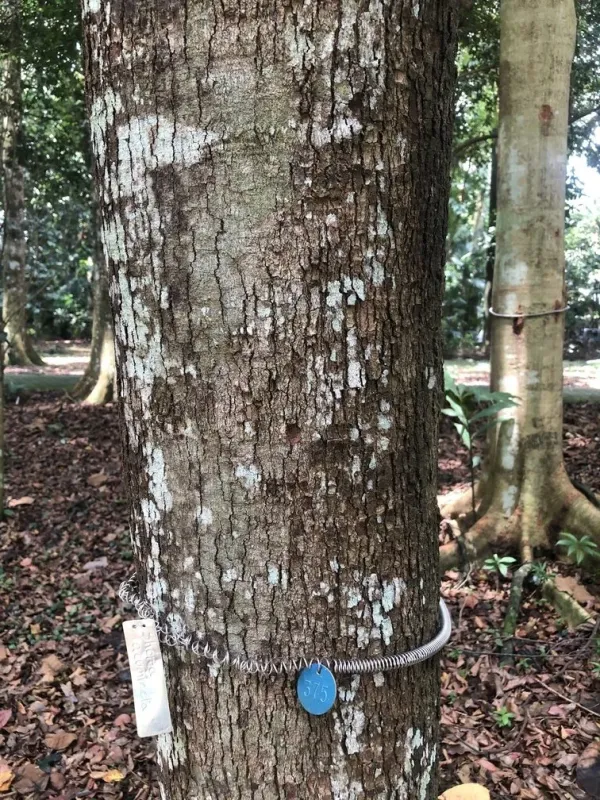
Botanically, Shorea resinosa is characterized by a straight, tall trunk and a robust canopy. The tree invests significant energy into vertical growth, which allows it to reach the upper canopy layers of the rainforest, where it receives sufficient light for photosynthesis.
Industrially, the wood of Shorea resinosa is highly prized and categorized as a type of meranti timber. Its physical properties, including durability, workability, and aesthetic appeal, make it a top choice for high-quality furniture, interior joinery, and heavy-duty structural components.
Main diseases and pests
The primary threat to Shorea resinosa is deforestation and the destruction of natural habitats, which significantly restricts the range of the species. Fragmentation of forest patches prevents genetic exchange and limits the natural regeneration cycles of the trees.
Various fungal pathogens pose a significant risk, particularly in areas where the forest ecosystem has been disturbed. These fungi target both roots and stems, often leading to rot that permanently damages the internal structural integrity of the timber.
Insect pests, including wood-boring beetles and certain curculionids, represent a major threat to both young plantations and mature stands. Their activity can cause substantial damage to the trunk, creating entry points for secondary infections and reducing the overall wood quality.
Invasive plant species often compete with Shorea seedlings for light, water, and nutrients, hindering their development. Effective silvicultural practices, such as clearing competing vegetation and careful thinning, are essential to ensure the survival of young trees in managed forests.
Integrated pest management in tropical forestry requires continuous monitoring to detect early signs of infestation. By applying silvicultural methods that mimic natural successional processes, foresters can mitigate the impact of threats and improve the resilience of this valuable timber species.