
Shorea platycarpa
Shorea platycarpa
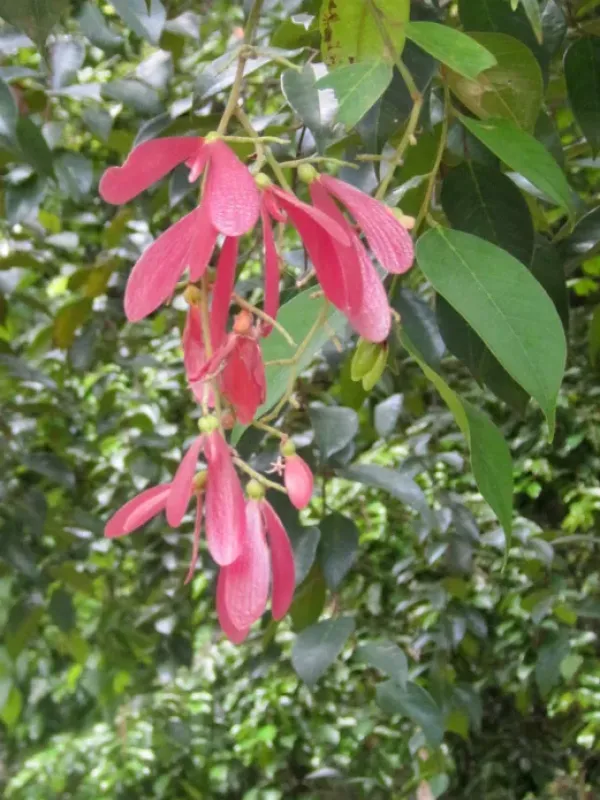
Description
Growing requirements
Shorea platycarpa is a significant tropical tree species belonging to the Dipterocarpaceae family. Naturally found in the peat swamp forests of Southeast Asia, specifically in Malaysia, Sumatra, and Borneo, it is a key component of these fragile ecosystems, growing in waterlogged, acidic soil conditions.
The climate requirements for this species are strict, demanding high annual rainfall and consistent, warm temperatures throughout the year. It does not tolerate seasonal drought, as its biological mechanisms are adapted to life in high-humidity environments where the water table remains near the surface.
Botanically, the tree is characterized by its ability to thrive in peat conditions that are typically toxic or inhospitable to many other terrestrial plants. It develops a specialized root structure that allows it to maintain stability in soft, saturated ground while accessing nutrients from decaying organic matter.
Cultivation of Shorea platycarpa is primarily focused on reforestation and the sustainable production of high-quality timber. It grows relatively slowly, which necessitates long-term planning for forest management and ecosystem preservation, rather than intensive industrial agricultural cycles.
Regarding soil, the species prefers deep peat or organic-rich mineral soils. Any alteration to the site's hydro-regime, such as drainage or extensive soil compaction, fundamentally impairs the tree's health and long-term viability as a forest stand component.
Main diseases and pests
The most severe threat to Shorea platycarpa is habitat fragmentation caused by large-scale drainage for oil palm plantations. The loss of the specific hydrology required for its roots leads to dieback and increases the susceptibility of remaining stands to catastrophic fire events.
Pathogenic fungi frequently attack the root systems in areas where natural forest cover is lost and soil temperatures rise. These infections can spread rapidly throughout the plantation, requiring early detection and the removal of infected individuals to protect the surrounding trees.
Wood-boring insects, including various species of Scolytinae, pose a constant risk to the timber quality. These pests thrive in weakened trees, making them a significant concern for commercial forestry operations that aim to produce high-grade wood products.
Invasive weed species, particularly ferns and lianas, often compete with Shorea seedlings for light and space. Without regular management and clearing in the early stages of growth, the young trees are often suppressed or completely choked out by fast-growing vegetation.
Effective management strategies emphasize site-specific conservation, ensuring that the water table is maintained to prevent tree death. Integrated pest management, focusing on enhancing natural predator populations, is preferred over the widespread application of chemical pesticides.