
Shorea pauciflora
Shorea pauciflora
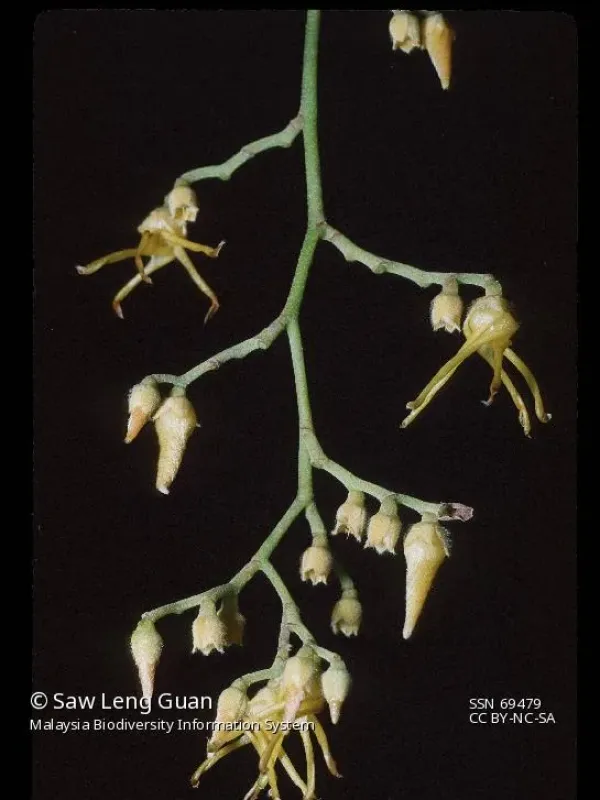
Description
Growing requirements
Shorea pauciflora is a prominent tree species belonging to the Dipterocarpaceae family. Native to the rainforests of Southeast Asia, specifically Malaysia and Indonesia, it is a significant source of the commercially valuable timber known as dark red meranti.
The tree thrives in tropical climates characterized by high temperatures and consistent, high rainfall throughout the year. It does not tolerate prolonged dry seasons or extreme temperature fluctuations, which makes site selection for plantations vital.
Regarding soil requirements, the species prefers deep, well-drained, nutrient-rich soils. It is particularly sensitive to waterlogging, necessitating landscapes with natural slope or high permeability to maintain root health and prevent oxygen deprivation.
Botanical traits include a straight, cylindrical bole and a broad, dense crown that provides significant canopy cover. The leaves are leathery and typically evergreen, which allows the tree to maintain metabolic activity year-round in the tropical environment.
Its primary economic use is the production of premium hardwood. Due to its durability, workability, and rich reddish color, the timber is extensively utilized for fine joinery, cabinet making, heavy construction, and high-quality interior flooring.
Main diseases and pests
Major threats to Shorea pauciflora plantations include fungal pathogens such as Phytophthora species, which can cause root rot under conditions of excessive soil moisture. Managing drainage is the most effective preventative measure against these infections.
Boring insects represent a significant biological threat to timber quality, as larvae tunnel into the wood of stressed or fallen trees. Integrated pest management, including the removal of deadwood, is necessary to mitigate these infestations.
Deforestation and habitat fragmentation pose the greatest long-term threat to the species, limiting natural regeneration cycles. Sustainable forest management practices, such as enrichment planting, are essential to maintain viable populations.
Herbivory by rodents and ungulates can significantly damage young saplings in nurseries or newly planted areas. Protective measures like fencing or mesh guards are often required during the early stages of tree establishment.
Climate change-induced droughts and altered rainfall patterns are increasingly affecting growth rates and seedling survival. Future forestry strategies must prioritize genetic resilience and careful site assessment to ensure the survival of the species.