
Shorea javanica
Shorea javanica
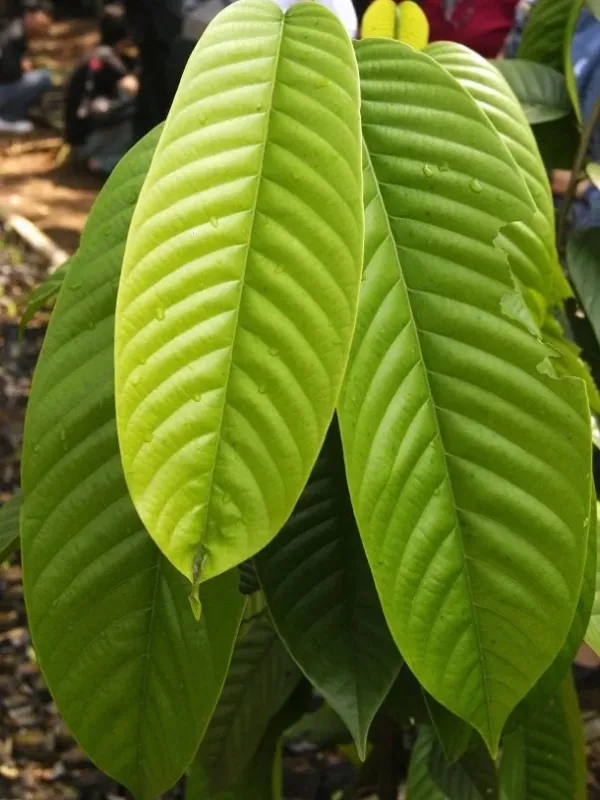
Description
Sowing dates
Shorea javanica is a prominent tropical tree belonging to the Dipterocarpaceae family, highly valued for both its timber and resin production. The seeds of this species are recalcitrant, meaning they lose viability very quickly and should be sown immediately after collection.
In nurseries, seeds are typically planted in containers or prepared beds with light, well-draining soil. Maintaining consistent moisture levels is essential during the germination phase, while shading is required to protect the delicate seedlings from intense tropical sunlight.
Saplings are transplanted to their permanent locations once they reach a height of at least 30-50 cm, which usually takes about a year. The optimal time for outplanting is the onset of the rainy season, which aids in root establishment and reduces transplant shock.
Proper spacing is crucial in plantation management to ensure adequate air circulation and light penetration for every tree. This spacing also helps in managing the future development of the canopy, which is vital for the health of the individual specimens.
Young plantations require intensive maintenance, primarily weeding and mulching around the base. Keeping the area free from aggressive weeds allows the saplings to access nutrients more efficiently and promotes faster initial growth.
Growing requirements
This species thrives in humid tropical climates where temperatures remain consistently between 23 and 32 degrees Celsius. It requires high annual rainfall with no prolonged dry spells, as this ensures the continuous production of resin throughout the year.
Deep, fertile, and well-drained soils are preferred for the cultivation of Shorea javanica. While it can adapt to various soil types, alluvial soils with high organic matter content support the most vigorous growth and maximum resin output.
As a light-demanding species, mature trees need full sun exposure to reach their full potential. In an agroforestry context, this is often managed by gradually thinning out secondary canopy layers as the Shorea trees grow taller and require more light.
Protection from high winds is an important environmental requirement. Frequent strong winds can damage the crown and cause branches to break, which significantly impacts the tree's ability to produce high-quality damar resin.
The tree is sensitive to waterlogged conditions. Selecting a site with natural drainage is critical to avoid root rot and other moisture-related fungal infections that can compromise the long-term health of the plantation.
Main diseases and pests
Common threats to Shorea javanica include various stem-boring insects that target weakened or improperly tapped trees. These pests can create internal galleries that facilitate the entry of rot-inducing fungi, potentially leading to tree death.
Fungal pathogens represent a major concern, particularly in plantations with high humidity and poor ventilation. Leaf spot and root decay are the most frequently observed diseases that can reduce the overall vigour of the stand.
Poor harvesting techniques, such as making excessively deep cuts into the bark, are a significant threat. These wounds provide a pathway for infections and should be managed with strict adherence to established tapping protocols.
Mammalian pests, such as rats or wild monkeys, may occasionally feed on young bark or seedlings, necessitating the use of physical barriers or protection methods during the early stages of growth.
Competition with fast-growing invasive plant species can also threaten the health of the plantation. Regular monitoring and integrated pest management are essential to ensure the longevity of the trees and the quality of the resin harvested.
Harvesting
The primary economic output is damar resin, obtained through sustainable tapping techniques. Harvesters carefully make shallow incisions on the tree trunk, triggering the natural secretion of resin as a defensive mechanism to seal the wound.
Harvesting typically begins when the tree is between 10 to 15 years old. This provides a sustainable income source for local communities, as the tree continues to produce resin for many decades if tapped correctly and carefully.
After collection, the raw resin is cleaned of debris such as bark flakes and wood fibers. It is then graded based on its color, transparency, and size, with high-clarity resin fetching premium prices in industrial markets.
Apart from resin, the timber is a valuable secondary product. Wood from Shorea javanica is dense and durable, making it highly sought after for furniture manufacturing, flooring, and general construction purposes.
Sustainable harvesting practices are paramount. By rotating the tapping points and allowing sufficient time for the bark to heal between harvests, producers can maximize the lifetime yield of each tree without compromising its growth or survival.