
Shorea hypochra
Shorea hypochra
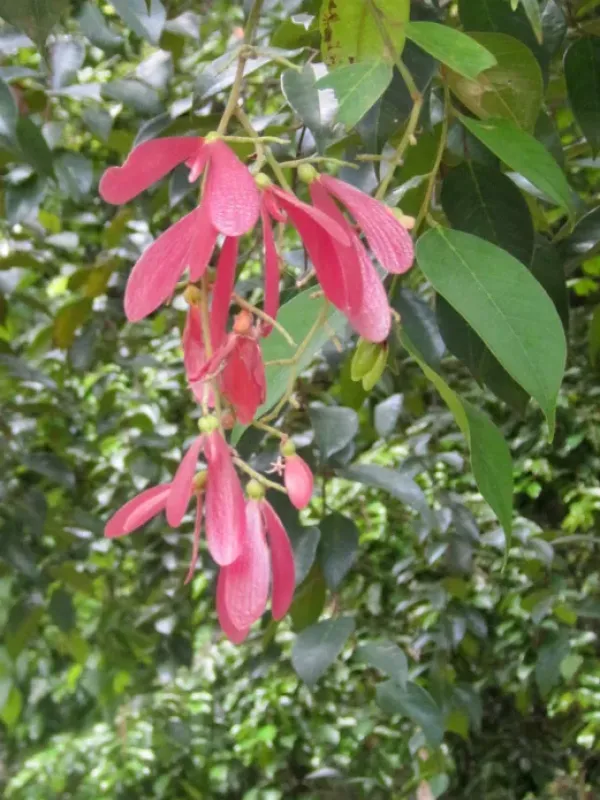
Description
Growing requirements
Shorea hypochra is a significant tropical tree species belonging to the Dipterocarpaceae family. It is recognized primarily as an important timber-producing plant native to the tropical forests of Southeast Asia, thriving in regions with high biodiversity.
The tree demands a typical tropical climate with consistent temperatures and significant annual rainfall. It is intolerant of frost or extreme cold, requiring a stable environment that supports continuous vegetative growth throughout the year without seasonal dormancy triggered by low temperatures.
Ideal soil conditions for this species involve well-drained, nutrient-rich, and deep soil profiles. Waterlogging is detrimental to the root system, making site selection and drainage management critical aspects of successful plantation establishment for this species.
Botanically, the species is characterized by its tall, straight bole and high-quality heartwood. It typically occupies the emergent or canopy layer in its natural habitat, which dictates that forestry practices must account for the plant's light requirements for optimal vertical growth.
The economic utilization of Shorea hypochra is primarily focused on the production of heavy-duty timber. The wood is prized for its durability, structural integrity, and resistance to decay, making it a preferred choice for heavy construction and high-grade furniture manufacturing.
Main diseases and pests
Fungal infections of the root system represent a major threat to Shorea plantations, especially in poorly drained sites. Implementing proper silvicultural practices that maintain soil aeration is the primary defense against these soil-borne pathogens.
Pests such as bark beetles and various stem borers pose a serious threat to timber quality. Periodic forest health assessments are necessary to detect early signs of infestation and to mitigate the risks before they cause significant economic loss.
Leaf-eating insects can cause severe defoliation in young nursery stock and newly established plantations. Biological control methods are generally favored in tropical forestry to minimize the impact on the local ecosystem while protecting the tree vigor.
Competition from fast-growing invasive species and climbers can suppress the growth of young Shorea trees. Regular weeding and crown cleaning are essential during the initial years of establishment to ensure the saplings gain the dominance required for long-term health.
Environmental stressors, such as irregular rainfall patterns and prolonged drought, can predispose these trees to secondary infections. Sustainable management strategies must prioritize the maintenance of forest health through diverse ecosystem approaches.