
Shorea curtisii
Shorea curtisii
Description
Growing requirements
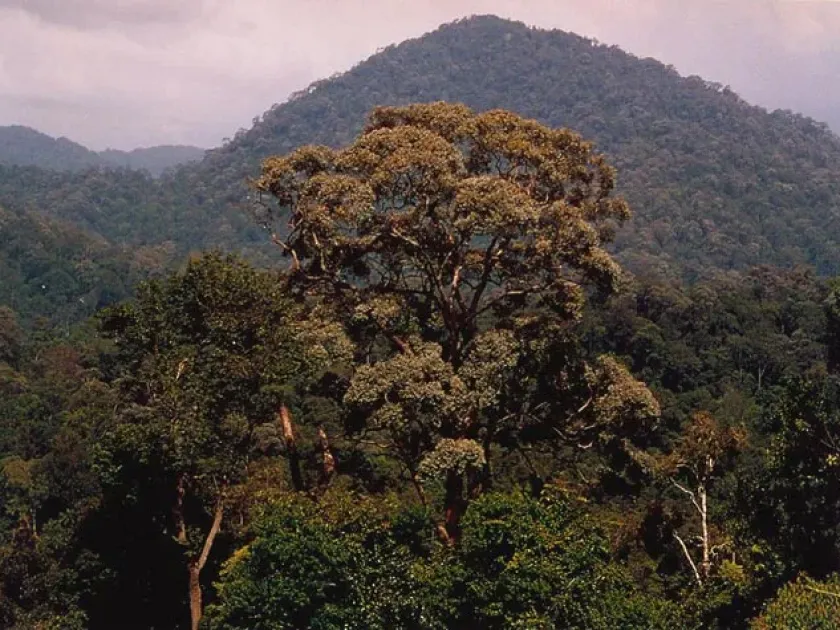
Shorea curtisii is an iconic evergreen tree species within the Dipterocarpaceae family, native to the tropical rainforests of Peninsular Malaysia, Singapore, and Indonesia. It represents a pillar of the region's unique forest ecosystem.
This species thrives in high-humidity equatorial environments. It demands significant annual rainfall and consistent temperatures, making it unsuitable for cultivation in temperate or arid zones.
Regarding soil requirements, the tree performs best in deep, well-drained, sandy-clay substrates. It is highly intolerant of waterlogged soil conditions, which can lead to rapid decay of the root system.
Agricultural management requires careful planning of forest density. Young trees need a nurse canopy to protect them from direct sun, while mature trees require significant space to expand their crowns.
The primary utility of Shorea curtisii is the harvesting of its valuable timber, often marketed as red meranti, which is highly sought after for furniture, cabinetry, and structural building applications.
Main diseases and pests
Pathogenic fungi are significant threats to Shorea curtisii, particularly in humid environments where air circulation is poor, leading to fungal blight on foliage.
Insect pests such as wood-boring beetles present a constant threat to the timber quality, as they create galleries that degrade the wood's structural integrity.
Habitat loss due to large-scale deforestation and conversion of land for industrial agriculture remains the most severe threat to the long-term survival of the species.
Changes in local microclimates caused by forest fragmentation often make the trees more susceptible to drought and wind damage.
Sustainable forest management practices, including selective logging and replanting, are essential to mitigate these risks and ensure the future of this timber resource.