
Shorea crassa
Shorea crassa
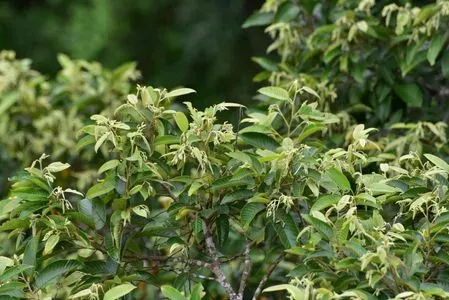
Description
Growing requirements
Shorea crassa is a notable species within the Dipterocarpaceae family. It is a large, evergreen hardwood tree native to the tropical rainforests of Southeast Asia, with its primary distribution centered in Borneo.
The climate requirements for this species are strictly equatorial. It thrives in environments where temperatures consistently remain between 25 and 30 degrees Celsius, accompanied by high annual rainfall and constant humidity levels.
Regarding soil preferences, this tree favors deep, well-drained, and nutrient-rich forest soils. It cannot tolerate waterlogging, which makes the topography and drainage characteristics of the planting site critical for its long-term survival.
Botanically, Shorea crassa is characterized by its massive stature and dense, leathery foliage that helps it manage transpiration in humid conditions. It is a slow-growing species that forms a significant component of the forest canopy.
The economic value of this culture lies primarily in its high-quality timber. It is highly sought after for its hardness, density, and natural resistance to decay, making it suitable for high-end construction and long-lasting woodworking projects.
Main diseases and pests
The primary threat to the existence of Shorea crassa is the rapid loss of its natural habitat due to deforestation, primarily caused by the expansion of large-scale palm oil plantations and agricultural conversion.
Pathogenic threats include various fungal infections, particularly those that attack the root systems in saturated soils. These diseases often go unnoticed until the tree shows significant signs of decline in growth or health.
Pest damage, particularly from wood-boring insects, can significantly compromise the timber quality of the trees. Once a tree is infested, it loses its structural and economic value, often leading to premature logging.
Ecological stress resulting from climate change and human interference disrupts the natural reproductive cycle of the tree, as the pollination and seed dispersal mechanisms are highly dependent on intact forest conditions.
Conservation efforts are currently focused on sustainable forest management and the protection of biodiversity hotspots to prevent the further decline of this ecologically and economically significant species.