
Shorea blumutensis
Shorea blumutensis
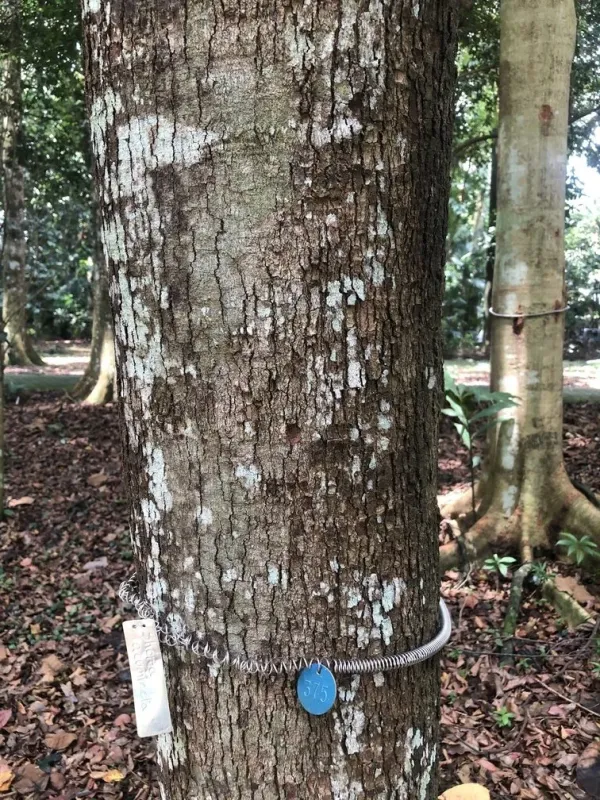
Description
Growing requirements
Shorea blumutensis is a prominent species within the Dipterocarpaceae family, native to the tropical rainforests of Peninsular Malaysia. This tree is recognized for its significant role in maintaining the canopy structure and ecological balance of the region's ancient forests.
The species requires a tropical climate characterized by high humidity and consistent rainfall throughout the year. It does not tolerate prolonged dry seasons or temperature fluctuations, which directly affect its metabolic processes and the overall health of the tree.
In terms of soil, Shorea blumutensis thrives in deep, well-drained loamy soils rich in organic matter. Proper soil aeration is essential, as the roots are highly susceptible to root rot in waterlogged or overly compacted conditions found in degraded landscapes.
Botanically, the tree is a large hardwood that exhibits a slow growth rate, common among long-lived canopy giants. It utilizes specialized light-harvesting strategies to survive in the competitive environment of the dense rainforest floor during its initial years.
Economically, the species is highly valued for its durable and high-quality timber. It belongs to the broader group of trees known commercially as Meranti, which are vital for international construction and high-end furniture manufacturing industries.
Main diseases and pests
The primary threat facing Shorea blumutensis is habitat loss due to large-scale deforestation and land conversion for industrial plantations. The removal of forest cover exposes the remaining population to harsh environmental changes.
Pathogenic fungi represent a serious threat, especially in areas where forest density has decreased. These pathogens can cause significant heart rot, which degrades the inner wood and compromises the structural integrity of these massive trees.
Insect pests, such as wood-boring beetles, frequently exploit stressed trees. The galleries created by these insects during the larval stage can introduce secondary infections, further weakening the tree and causing economic loss for timber production.
Climate change poses a long-term risk by altering the traditional seasonal patterns that the tree relies on for seed maturation and germination. Disruptions in these biological cycles can lead to poor natural regeneration across its remaining habitat range.
Sustainable conservation measures are necessary to protect the remaining stands of this species. These include strict enforcement of forestry regulations and the establishment of dedicated protected areas to ensure the future survival of Shorea blumutensis.