
Shorea beccariana
Shorea beccariana
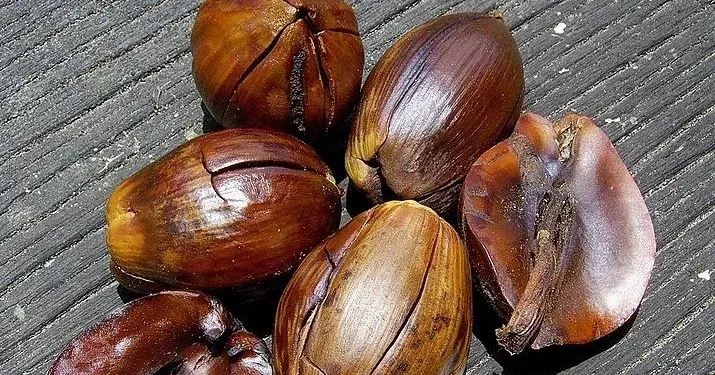
Description
Growing requirements
Shorea beccariana is a significant tree species belonging to the Dipterocarpaceae family. It is a large, evergreen tree native to the tropical rainforests of Southeast Asia, specifically Borneo and Sumatra.
The species requires a tropical climate with high, consistent humidity and temperatures ranging from 22 to 32 degrees Celsius. It does not tolerate cold snaps or dry seasons, making it strictly a lowland forest species.
Soil requirements include deep, nutrient-rich, and well-drained substrates. While the tree thrives in the forest floor's organic layer, it cannot withstand waterlogging, which often leads to root rot in poorly managed sites.
Young Shorea beccariana plants prefer partial shade, which mimics the natural understory environment. As the trees mature, they require significant sunlight to support their rapid upward growth and trunk development.
Sustainable cultivation practices emphasize the importance of maintaining soil health and preventing erosion. In plantation settings, soil enrichment and natural forest litter are essential for mimicking the tree's native ecological niche.
Yield
The primary economic output of Shorea beccariana is its timber, marketed globally under the name «meranti». This wood is highly valued in construction, joinery, and the manufacturing of high-quality furniture.
Yield production depends on a rotation cycle that typically spans 40 to 60 years. Proper forest management, including selective thinning and site protection, is vital for achieving high-quality timber yields.
The wood is characterized by its excellent workability, medium density, and stability. It accepts stains and finishes well, which makes it a preferred material for interior wood paneling and decorative woodwork.
Beyond its timber value, the species serves an important ecological role by providing habitats for countless tropical species. Successful forest management balances harvesting with replanting initiatives to ensure long-term viability.
Modern silviculture practices focus on selecting genetically superior seedlings to improve growth rates. This leads to more efficient production cycles while reducing the need for logging in pristine, old-growth forests.
Main diseases and pests
The most pressing threat to Shorea beccariana is habitat loss due to deforestation and land conversion. Protecting the remaining natural stands is critical for the genetic diversity of the species.
Pests such as stem-boring insects present a major challenge to plantation health. These pests can cause extensive damage to timber quality if left unmanaged, necessitating integrated pest management strategies.
Fungal diseases are a risk, particularly in areas with poor drainage or high humidity buildup. These pathogens often target the roots or the lower trunk, potentially causing widespread tree loss if the environment is not maintained.
Environmental stress, such as prolonged drought or fluctuating moisture levels, can weaken the trees. Weakened trees are significantly more susceptible to attacks by both insects and fungal infections.
Effective control measures involve routine monitoring of plantation health and the promotion of diverse forest structures. By planting a mixture of species, foresters can create a more resilient system that limits the spread of disease.