
Shorea balanocarpoides
Shorea balanocarpoides
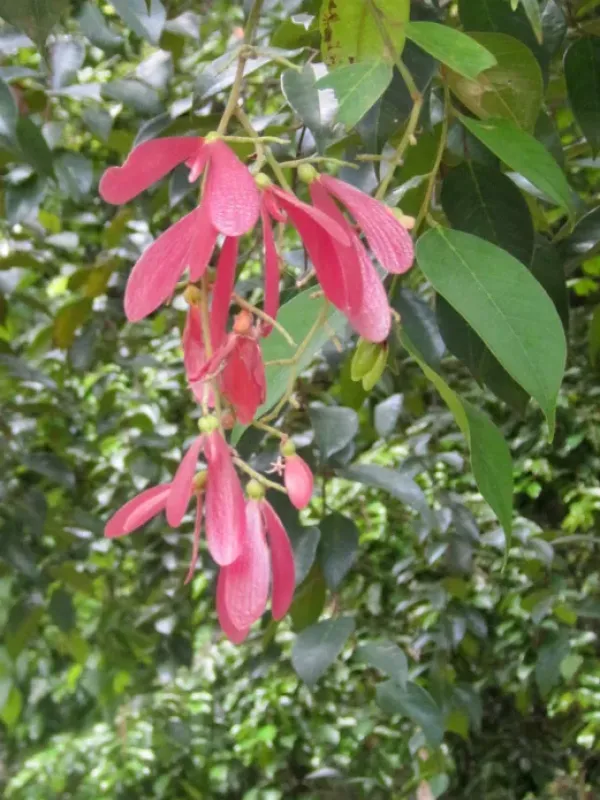
Description
Growing requirements
Shorea balanocarpoides is a prominent tropical tree species belonging to the Dipterocarpaceae family. Known for its stature, it acts as a canopy-forming tree in the tropical rainforests of Southeast Asia, contributing significantly to the ecosystem's structural complexity.
The native distribution of this species is centered in the Malay Peninsula and Borneo. It thrives in lowland tropical rainforests where high humidity, consistent rainfall, and warm temperatures prevail throughout the year, supporting rapid biomass accumulation.
In terms of soil requirements, the species favors deep, fertile, and well-drained substrates. While it can adapt to various soil textures, optimal growth is achieved in soils with high organic content that allow for proper root aeration and prevent waterlogging.
Climate needs are strictly tropical, requiring temperatures typically ranging between +22°C and +32°C. Shorea balanocarpoides is highly sensitive to extreme drought and cold, making it exclusive to specific equatorial zones that maintain steady environmental conditions.
Commercially, the species is valued for its high-quality timber, often grouped with 'yellow meranti'. The wood is highly sought after for its durability, workability, and strength, making it ideal for construction, flooring, cabinetry, and fine furniture manufacturing.
Main diseases and pests
Fungal diseases are a primary threat to the health of the trees, especially in nursery settings where humidity levels are difficult to control. Root rot fungi can cause significant mortality among young saplings if site drainage is insufficient.
Pests, particularly wood-boring beetles and defoliating insects, pose a severe threat to commercial plantations. These infestations can drastically reduce the market value of the harvested timber by damaging the internal structure of the trunks.
The loss of natural habitats due to deforestation and conversion of land for agriculture represents the greatest threat to the survival of the species. Fragmentation of forest blocks leads to population decline and a reduction in the species' genetic resilience.
Climate change-induced stress, such as prolonged dry spells in regions that were historically wet, inhibits the tree's development. This physiological stress makes the trees significantly more vulnerable to opportunistic pathogens and secondary infestations.
Integrated forest management is essential for maintaining healthy populations. Regular sanitary thinning and the monitoring of pests are crucial strategies to ensure that the development of the stand remains productive and sustainable over the long term.